
A lullaby plays in the hospital in southern Colorado each time a new baby is born.
Healthcare providers and staffers at UCHealth Parkview Medical Center in Pueblo smile as they hear the sweet sound that signals the hope and joy of new life.
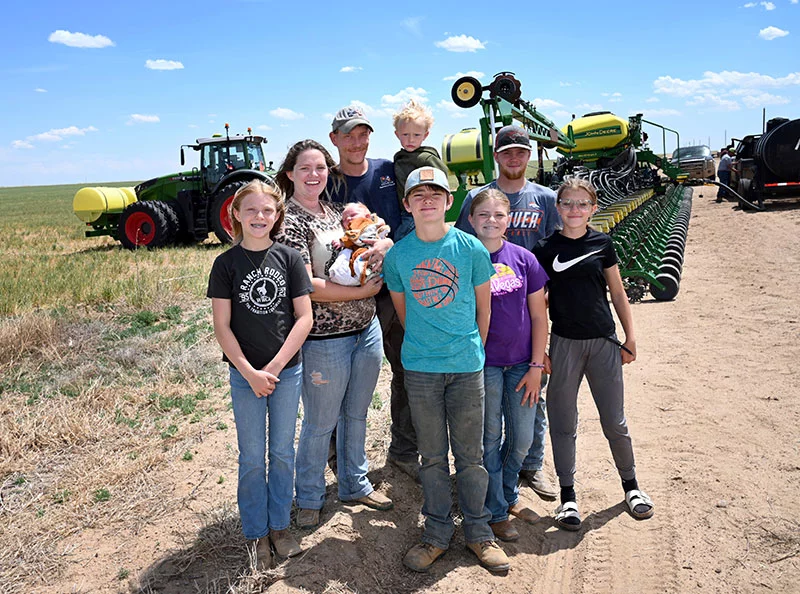
Lullabies have been serenading people more and more these days at Parkview Medical Center. That’s because small towns and rural areas surrounding the hospital have become what’s known as “maternal care deserts,” meaning it’s become much harder for women in southern Colorado to find prenatal care and to give birth close to their homes. (Read about Jade Jacquart, who had to four-hour roundtrip drives to from her ranch and farm near Eads to get care in Pueblo. Her youngest, Beauden, arrived safely in April.)
The most recent casualty in rural obstetrical care in the region came when managers at Arkansas Valley Regional Medical Center in La Junta had to make the tough decision to stop accepting new pregnant patients in January of 2025 and halted their labor and delivery services as of April 30, 2025.
Since then, Parkview leaders tracked a nearly 43% increase between 2024 and 2025 in births from patients who live in Otero County, home to the Arkansas Vally hospital.
The overall number of births at Parkview rose from 1,671 in 2024 to 1,715 in 2025. Nearly one in ten of those patients came from Otero County. Births among those patients increased from 96 in 2024 to 137 in 2025.
Parkview hospital leaders expect the increase in demand for maternity care to continue this year and moving forward.
And while maternity care can be tough for hospitals to afford because insurance reimbursements often don’t cover the full cost of care, Parkview’s president, Darrin Smith, said welcoming babies is a cornerstone of Parkview’s mission.
“We are proud of the care our maternity teams provide to families across our region,” Smith said. “For many people in Pueblo, Parkview has been part of some of life’s most important moments for generations. Hearing staff members and community members share that they were born here reflects the deep connection this hospital has with the community we serve.”
These days, the midwives and obstetricians who deliver babies at Parkview — and the nurses who care for moms and newborns there — are working hard to handle a baby boom of sorts. During a recent 24-hour period this spring, 14 new babies arrived, far more than the four or five who might be born on an average day at the hospital.
Along with obstetrical care, Parkview medical experts provide many other essential services to community members, including cancer treatments for patients who travel hours to the hospital from as far away as New Mexico or Colorado’s San Luis Valley.
Four out of five patients at Parkview rely on government health insurance programs at a time when Medicaid — which covers low-income and disabled people — is suffering major cuts. Another 3% of patients at Parkview are uninsured.
Regardless of patients’ insurance status, UCHealth hospitals’ leaders and medical providers are dedicated to caring for people who need help.
“We serve everyone. We are the safety net of southern Colorado,” Smith said.
Parkview became part of UCHealth in 2023, and the commitment to supporting all patients is stronger than ever.
“Taking care of people who need us is what we’ve always done, and it’s something we’re very proud of,” Smith said. “It’s our mission. We improve lives, and that’s what we’ll continue to do.”
UCHealth’s commitment to serving communities throughout Colorado
Stepping up to serve communities in Pueblo and southeastern Colorado is part of the greater UCHealth mission to support communities throughout Colorado.
For example, Estes Valley Medical Center in Estes Park became part of UCHealth in 2025, and the partnership is helping to sustain medical care for residents. In northwestern Colorado, there’s another maternal care desert, and providers from UCHealth Yampa Valley Medical Center stepped up to expand care to patients in Craig.
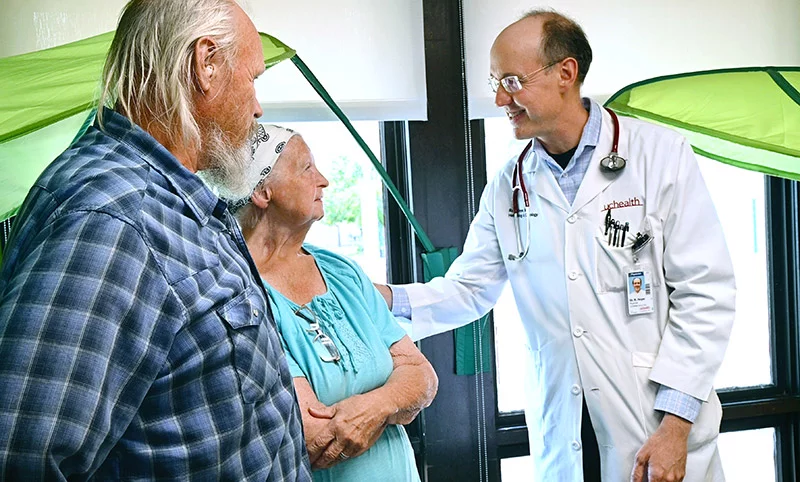
And a UCHealth team in southern Colorado provides cancer care to patients in communities from Trinidad to Lamar so patients can receive care in their communities rather than driving as much as three hours to receive treatments. Watch a video about Dr. Robert Hoyer and his team.
Overall, during the last fiscal year, UCHealth leaders have invested at least $1.6 billion in community benefit programs, including:
- $762 million to provide care for uninsured and underinsured patients.
- Hundreds of millions in support for the University of Colorado Anschutz School of Medicine.
These investments in community benefit programs far exceed the value of UCHealth’s tax exemption as a non-profit, which is currently valued at $426 million.
UCHealth also is the only non-profit, Colorado-based healthcare system in the state that serves adults.
“We are based in Colorado, and we are here for Colorado,” said Tom Gronow, president and CEO of UCHealth University of Colorado Hospital in Aurora.
Deep impacts in serving patients and communities throughout Colorado
UCHealth boasts 15 hospitals and more than 200 clinics throughout Colorado. More than 7,000 medical providers care for nearly 3 million patients each year.

During medical visits, any patients who speak languages other than English can access specially trained medical interpreters at no charge to ensure that they can communicate clearly with their medical providers. Services are available for people who speak more than 350 different languages, including American Sign Language. Learn more about how UCHealth’s medical interpreters boost the quality of care for patients. And read about a Deaf patient who received critical help from interpreters after a car accident.
UCHealth is the largest provider of Medicaid services in Colorado
At places like Parkview in Pueblo, and throughout the UCHealth system, providers play a vital role in serving the most vulnerable people. Here’s a snapshot of that vital care:
- UCHealth doctors and hospitals provide 30% of Colorado’s Medicaid care, more than twice that of the next-largest healthcare entity in the state.
- Medical providers at UCHealth facilities support patients who rely on Medicaid during nearly 1.4 million visits annually.
“Our goal is to take care of as many Coloradans as we can,” Gronow said. “It’s what we do every single day. We provide access to care and to cures.”
Providing healthcare for uninsured patients and low-income people who rely on Medicaid is challenging, both because the programs are under attack on the federal level and because government reimbursement rates don’t cover the full cost of care.
Even so, Gronow said UCHealth leaders and medical providers are fully committed to ensuring that vulnerable, low-income people can access help when they need it.
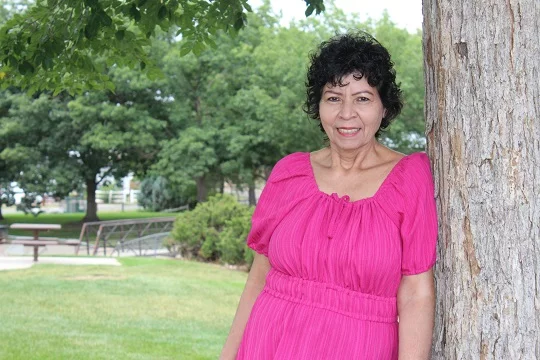
Among them is Haidee Hernandez, a mother of six, who cleaned courtrooms each evening for a living but didn’t have health insurance when she learned she had breast cancer. Financial assistance counselors at University of Colorado Hospital helped Haidee apply for the hospital’s discounted care program.
And UCHealth provides extensive support to community partners throughout the state, including programs like DAWN Health, a student-run health clinic at the University of Colorado Anschutz campus, which serves underinsured patients, immigrants and others who struggle to get medical care.
A commitment to behavioral health
Along with providing care to a large percentage of Colorado’s lowest-income patients, UCHealth leaders have made the region’s most significant investment in behavioral health, including the following:
- Opening a new inpatient behavioral health facility in northern Colorado.
- Serving behavioral health patients in hospitals throughout the UCHealth system, with more than 3,500 admissions.
- Adding behavioral health providers across more than 50 primary care clinics, leading to more than 50,000 integrated health visits.
- Supporting co-responder programs, which pair UCHealth behavioral health experts with law enforcement officers in communities throughout Colorado, from Aurora to Steamboat Springs to Fountain in southern Colorado. This story is an example where a UCHealth counselor helps de-escalate potentially dangerous encounters and get help quickly for people who are experiencing mental health crises.
“We’re very committed to behavioral health, another area where you see a lot of health systems jettisoning these services,” Gronow said. “Our providers think about both the physical and the behavioral and mental health needs of patients. We are treating the whole person.”
Educating the next generation of medical providers and keeping them in Colorado
Along with providing innovative, life-saving care to patients, UCHealth leaders are committed to training the next generation of doctors and other healthcare professionals.
Each year, nearly 1,500 medical professionals train at University of Colorado Hospital and other UCHealth facilities.
Doctors who attend medical school and do their residencies in Colorado are much more likely to stay here. Having great doctors and nurses choose to live and work in Colorado is critical since there already are severe shortages of healthcare providers across the U.S., and the problem is expected to worsen in the coming years.
“We are not creating enough new medical professionals to take care of us as we age,” Gronow said. “It’s vital to educate people here to ensure that we have excellent professionals who can take care of us.”
Supporting young people with differing abilities, UCHealth workers who want to grow their skills and employees who live in an expensive resort area
Along with educating medical professionals, UCHealth has many programs that provide opportunities to both community members and employees.
A program called Project SEARCH enables young people with intellectual and developmental disabilities to transition from school to the workforce through hospital-based internships. Hundreds of participants have graduated from the program at various UCHealth locations, gaining invaluable vocational skills. One of these graduates is Aubriana Winters, who is now working at the hospital in Colorado Springs, where she received vital care as a newborn.
UCHealth boasts more than 37,000 employees who live in more than 80% of Colorado counties, and UCHealth leaders are committed to improving the lives of employees and patients alike.
That’s why UCHealth funds the Ascend Career Program so employees can grow their skills and advance in healthcare careers. Patients benefit too because there are shortages of nurses and behavioral health experts. When UCHealth helps employees climb career ladders, they build wealth for their families while also assuring patients that they’ll have access to high-quality medical staff when they need care.
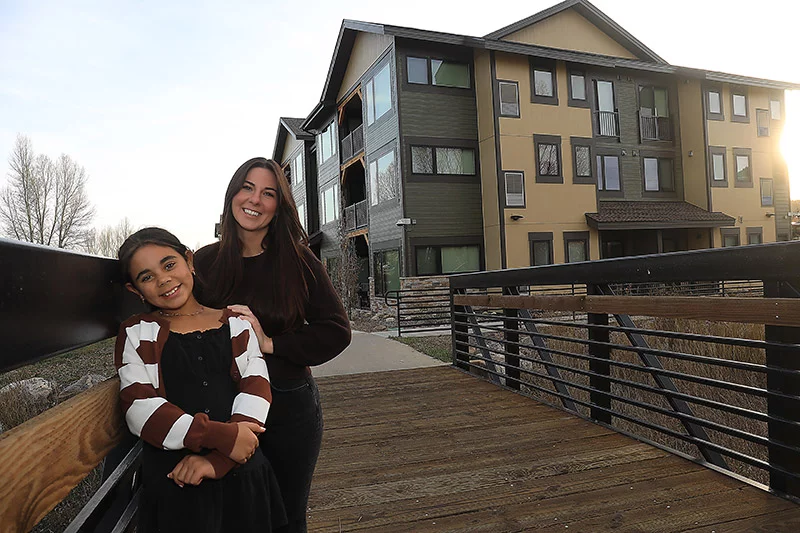
And in Steamboat Springs, an expensive resort area, leaders at UCHealth Yampa Valley Medical Center invested $30 million to create employee housing so hospital employees could afford to live in the community where they work. Read about the beautiful Creek’s End apartments in Steamboat, and a nurse and her daughter who get to live there.
Investments to support community partners
In addition to providing life-saving medical care and supporting future healthcare professionals, UCHealth funds grants for community partners.
“We’re here for Coloradans, so we invest in community partners who share our commitment to helping people stay healthy,” Gronow said.
UCHealth recently awarded $775,000 in grant funding to 76 nonprofit organizations across Colorado, helping people overcome barriers and create pathways to better health. These grants support programs that deliver essential services and address factors that shape health outcomes.
From expanding preventive care and mental health support to fighting hunger, providing housing and addressing financial stability, these programs aim to create lasting impacts in the communities that the groups and UCHealth providers serve.
UCHealth grants support community clinics, outreach programs, mental health services, food assistance and transportation support, improving access to essential services and care for underserved populations. Financial support also strengthens programs that provide rental assistance, housing stability, education and workforce development.

Here’s a snapshot of how the grant programs have benefited communities throughout Colorado:
- Food to Power, a Colorado Springs non-profit, supports community members through its urban farm and a “no-cost grocery” program. The program managers say fresh food is a human right. Read more about Food to Power.
- The Healthy Hearts and Minds program supports children and adults with biometric health screenings to prevent diabetes and cardiovascular diseases. In Colorado Springs, Spanish-speaking workers with the Healthy Hearst and Minds program provided free screenings during the annual Fiestas Patrias celebration.
- Through Project HairCare, barbers and stylists receive training from behavioral health experts to better support clients experiencing challenging times. View a video about Project HairCare.
- CircleTalk for Healthy Aging gives older adults the opportunity to connect for structured conversations so they can stay healthy and avoid isolation as they age. Read about how support and great conversations help preserve happiness and brain function.
- In Steamboat Springs, UCHealth has contributed $114,000 to place life-saving AEDs in public locations throughout the Yampa Valley. These devices ensure faster interventions for cardiac emergencies in rural settings, where early use can more than double a person’s chances of surviving.