
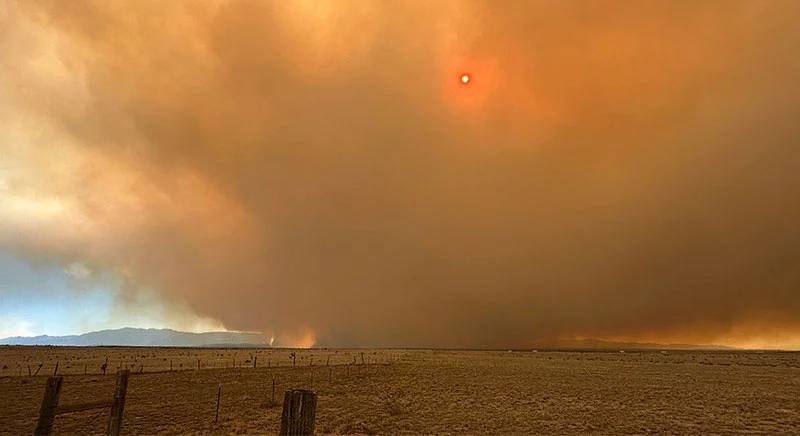
Dozens of people in the Pueblo area have sought help from medical experts as dangerous smoke and ash from one of the largest wildfires in Colorado history is blanketing southern Colorado.
Since the Aspen Acres fire began on June 29, doctors at UCHealth’s hospitals in Pueblo have treated 67 patients for medical issues related to the fire as of July 9.
Other people who are struggling with breathing issues, itchy eyes or sore throats have visited urgent care clinics or reached out to their primary care providers. Still others may be dealing with symptoms on their own as wildfire smoke from the Aspen Acres blaze has settled over Pueblo and has spread along Colorado’s Front Range.
Meanwhile, doctors are fielding calls and messages from patients displaced by the fire who need to reschedule or cancel appointments. Others need help with refills for medications they left behind when they had to evacuate their homes.
And everyone living with wildfire smoke has had to change their daily routines, such as when to run errands and where to exercise.
“Fire season in Colorado is always something we have to deal with,” said Dr. Joshiah Gordon, a pulmonary and critical care doctor at UCHealth Parkview Medical Center.
But this summer’s conditions have wreaked havoc on people with pulmonary illnesses.
“Living in Colorado, living at altitude and living with chronic lung disease, it’s tough,” Gordon said. “With no wildfires, most of these patients would be doing great.”
Colorado’s summer wildfire season means no break for respiratory ailments
So far, medical providers have treated 50 patients at UCHealth Parkview Medical Center and another 17 at UCHealth Parkview Pueblo West Hospital. Fifteen patients were hospitalized in Pueblo, and one was transferred to UCHealth Memorial Hospital Central in Colorado Springs. Most went to the hospital for respiratory issues related to the smoke and poor air quality. Seven patients have been discharged.
Learn how to stay safe when wildfires cause unhealthy air quality.
Gordon and Ramos offer the following suggestions for dealing with wildfire smoke:
- Evaluate air quality in your area daily and plan your activities accordingly. Stay indoors if the air quality is bad. Keep windows closed and vacuum frequently to clean up ash.
- Consider wearing a high-quality mask, like an N95 or KN95, if you need to be outside when air quality is low.
- Change the filters on your air conditioner and air purifier when needed.
- Consider over-the-counter antihistamine allergy medications to help relieve symptoms like itchy eyes, sore throat and runny nose. Saline spray can help keep your throat and nose moist.
- If you use an inhaler, use it properly and have refills on hand.
- Stay hydrated
More info: https://www.uchealth.org/today/how-to-stay-safe-when-wildfires-impact-air-quality/
Gordon said calls and visits to his clinic are up about 20% over a typical summer.
Without choking smoke from wildfires, Gordon said winter typically is the season that’s toughest on patients with chronic lung conditions. That’s because many struggle with respiratory illnesses from viruses like the flu, RSV and COVID-19. During the summer, doctors typically urge patients to get outside for fresh air and to exercise.
But anyone living on Colorado’s Front Range and in mountain communities near wildfires won’t escape the health impacts of wildfire smoke this summer. High temperatures across Colorado this month are compounding the respiratory issues, contributing to dehydration and heat exhaustion.
“When this fire hit, I don’t know that we were surprised, but we were hoping we would get a break from the respiratory challenges of winter,” Gordon said.
Instead, along with the sickest patients having to be hospitalized, Gordon’s pulmonary clinic has seen a spike in calls as patients seek help with symptoms that the smoke is exacerbating. Patients are suffering from sore throats, runny noses and watery, itchy eyes, Gordon said.
Smoke from five major wildfires is causing poor air quality
Five major fires are burning across Colorado.
The Aspen Acres fire near Pueblo is now one of the largest fires ever recorded in Colorado and it has destroyed hundreds of structures.
Other fires burning in Colorado include the Willow fire west of Leadville, the Gold Mountain fire outside of Ouray and the Snyder fire on the Utah-Colorado border, where three firefighters died in late June.
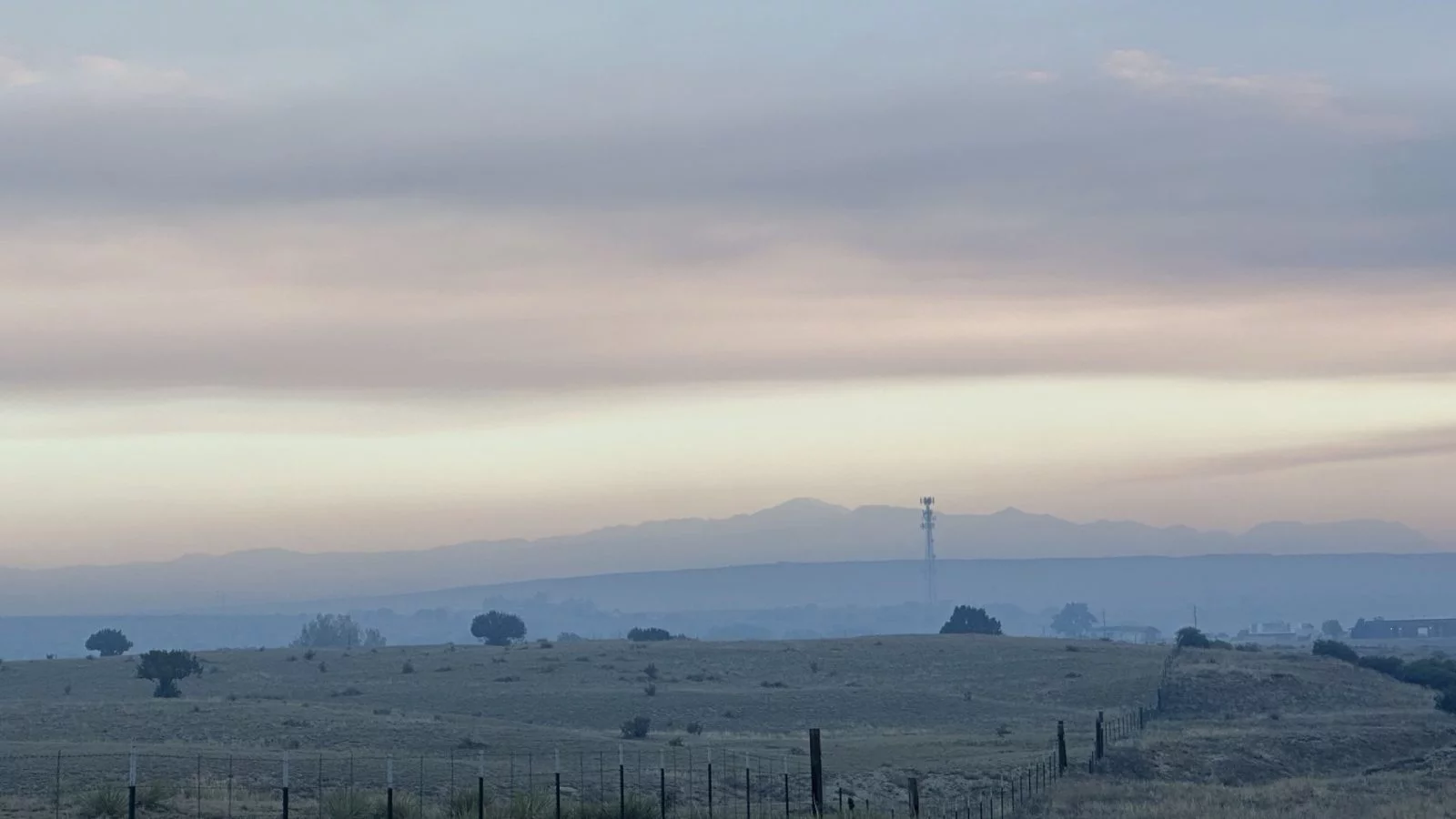
Health experts at the Colorado Department of Public Health and Environment have issued several air quality advisories this month, including alerts for Pueblo, Custer and Fremont counties, saying moderate to heavy smoke from the fire is expected to continue. Earlier in July, Denver had some of the worst air quality among major metropolitan areas around the world, according to IQAir.
Seek medical help if you’re struggling to breathe
Patients most at risk from wildfire smoke are those with chronic underlying lung disease, such as asthma or chronic obstructive pulmonary disease (COPD); those on oxygen; those with compromised immune systems; and those who struggle to breathe because of other health issues, such as cancer. Young children and older adults also are at higher risk.
Dr. Mike J. Ramos, a family medicine doctor with UCHealth Pueblo West, urged his patients with respiratory conditions to prepare this spring for an active summer wildfire season. He encouraged them to monitor their baseline breathing, refill their prescriptions — including rescue medications — and change air conditioning filters at home.
Anyone with health concerns related to wildfire smoke should call their doctor or seek medical help, he said. People who are struggling to breathe always should call 911 immediately.
“You know your body best,” he said. “If these fires are impacting you, come and talk with us. We’re here to make sure everyone has quality of life even during these trying times.”
Ramos said he expects the impacts of wildfire smoke to continue for weeks. The Aspen Acres fire is about 16% contained, but firefighters expect the fire to continue burning throughout the month of July and into August.
Doctors, nurses and other providers are dealing with fire impacts, too
Meanwhile, Pueblo doctors, nurses and other providers have been dealing with the Aspen Acres fire themselves. Some have evacuated from their homes or have lost them to the fire. Others are awaiting word on the status of their property.
Earlier this month, Darrin Smith, president of UCHealth Parkview, sent an email to staff, thanking firefighters, emergency responders and community partners who have “worked tirelessly to protect lives and support those affected.”
“I am especially grateful to our UCHealth teams, who continue to provide exceptional care while also supporting one another with compassion, flexibility and generosity.”
Additional resources for people dealing with wildfires and other natural disasters
- Colorado emergency preparedness experts share a wildfire evacuation checklist, including what to pack, how to stay informed and steps to take now so you can leave quickly and safely if wildfire threats force you from your home.
- Mental health experts share practical advice for coping with anxiety during natural disasters and helping children process fear, uncertainty and stress in healthy ways.
Todd Seip contributed to this story.