
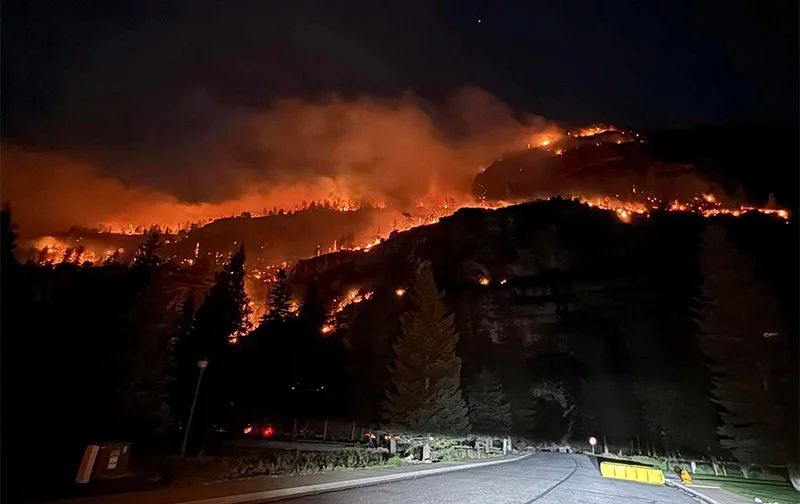
As drought has gripped Colorado, devastating, wind-whipped wildfires are destroying properties and filling communities with dangerous smoke.
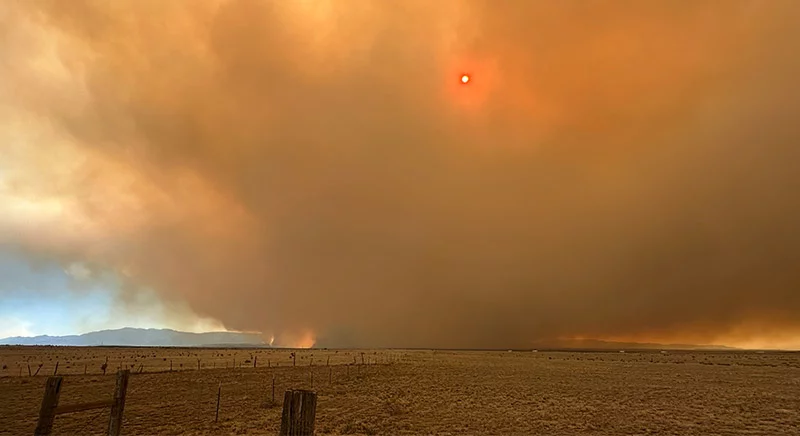
A fire near Pueblo has exploded into one of the largest wildfires since Colorado officials started tracking fires and has forced countless evacuations. In western Colorado, three wildland firefighters who were combating a fire near Grand Junction died after flames overtook them.
Emergency preparedness officials are urging people to prepare for worst-case scenarios in the event that fires force people to flee their homes.
“Our dry winter has led to an early fire season,’’ said Jason Eisenbach, manager of emergency preparedness for UCHealth’s northern Colorado region. “Unfortunately, you’re not immune anywhere in the state.”
Being prepared includes planning ahead, staying calm and being informed about local weather conditions and evacuation recommendations from local law and safety officials regarding impending smoke and fire risks.
Making sure you receive the most recent emergency information is important, and there are several easy ways to do that, including signing up for your county’s emergency alert notification system.
The state of Colorado also has several websites with updated information on fire and weather conditions.
Individuals can also sign up for federal emergency alerts and can find helpful information and checklists.
Evacuation essentials:
- Important documents. Have a safe place for licenses, passports and important banking information.
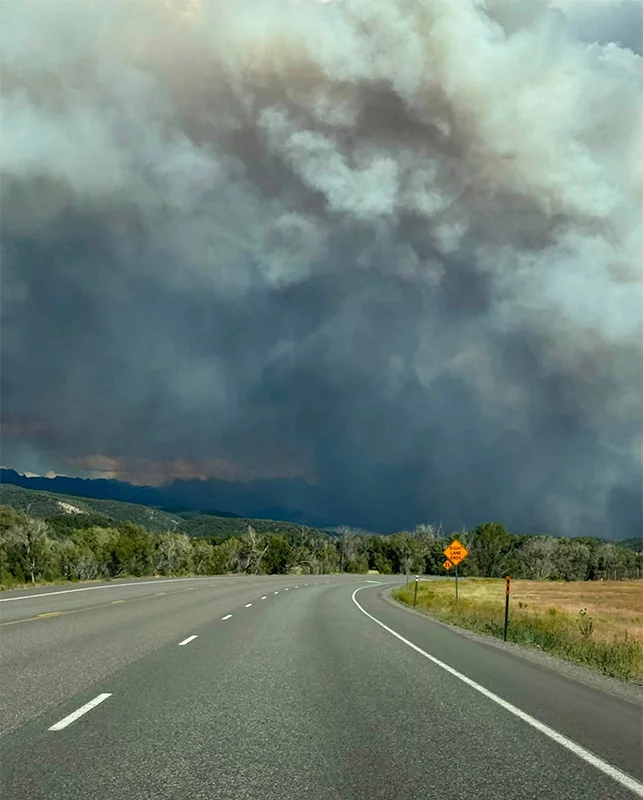
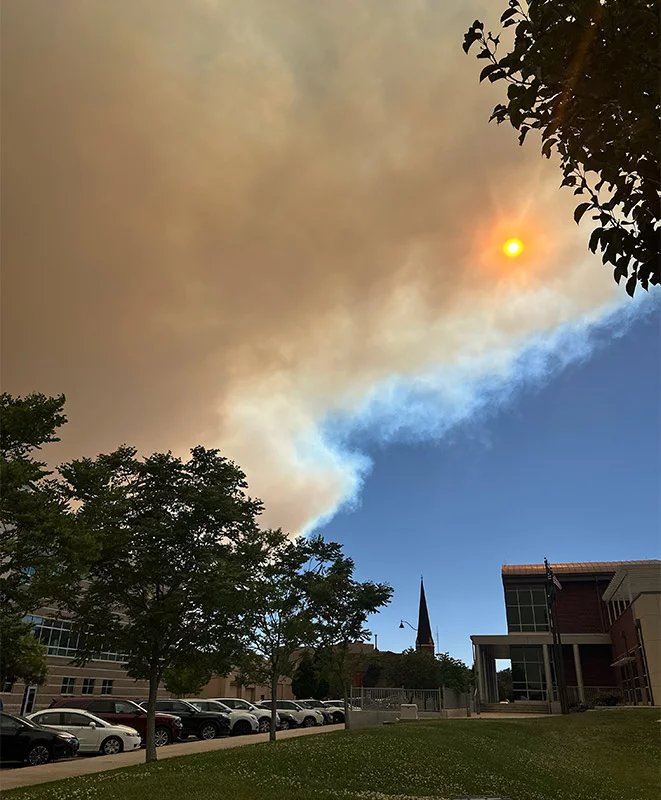
Smoke from the Gold Mountain Fire on the Western Slope looms over Montrose, Ridgeway and Ouray. Photo courtesy of Ryan Hyle. - Laptops, cellphones and other electronic devices. Be sure to have chargers ready and know your passwords so you can easily access online information if and when you need it.
- Insurance information. Review your homeowner’s insurance and have agent contact information. Also, know what your coverage includes if a natural-disaster evacuation is required.
- Adequate supply of medications. Do you have enough of your medications to last several weeks? Will you be able to renew your prescriptions easily if you are not in your hometown?
- Durable medical equipment (DME). Make a plan for your DME, such as portable nebulizers, oxygen and dialysis machines. If you lose power, do you have backup batteries, a generator or a plan for moving to an alternate location during an emergency?
- Remote phone chargers and backup batteries.
- Basic first-aid supplies.
- Food and water.
- Flashlight and some basic tools.
- Extra clothing and toiletries.
Questions to ask as you prepare for a wildfire evacuation
Experts recommend thinking through these key questions before you need to leave your home:
- Do you have medical conditions that require more time or special care if you must leave quickly?
- If you lack the means or mode of transportation to leave in an emergency, do you need to reach out to family and friends for assistance if it comes time to leave?
- Do you have more than one evacuation route in case evacuation becomes necessary?
- Do your family members and children know what to do in case of an emergency? If your children are at camp or school during the day, do you have a safe and easy way to reach them?
- Does your family have a meeting point in case anyone can’t make it home during an emergency?
- Do you have a safety plan for your pets, especially if you have larger animals?
“It’s more than just packing a bag, although that is important as well,” said Eisenbach. “It’s ideal if people put a little thought in now into how an emergency evacuation would affect them and their families and then plan accordingly. It could be life-saving.”
Where to find shelter and support during an evacuation, and when to seek medical care
People who need emergency shelter should seek help from local governments or aid organizations like the American Red Cross.
Anyone who is injured should always seek help at an urgent care facility or a hospital ER.
But those who are not injured will want to avoid hospitals during natural disasters or evacuations, since medical providers will be busy tending to people who need emergency care.
“Counties will establish some sort of evacuation assistance center, along with agencies like the Red Cross, and people should go there unless they need medical help,” Eisenbach said.
Personal preparedness helps Individuals and families, as well as hospitals and their staff, who will be dealing with a host of medical emergencies caused by wildfires and smoke.
“Stay informed. Follow directions. Sign up for notifications and be aware of the latest variable weather conditions,” said Eisenbach. “Try not to panic. It’s important to hope for the best but prepare for the worst,” he said.