
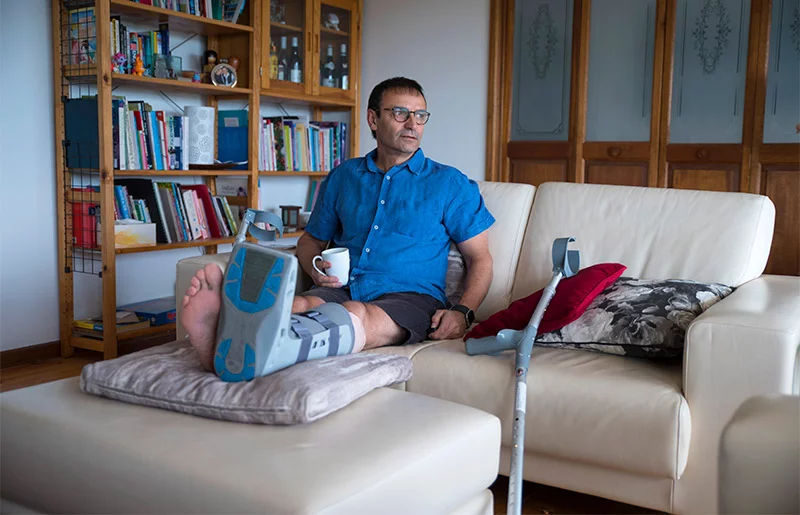
Surgery can be a source of anxiety, whether it’s planned or an emergency. While patients may focus on the surgery itself, what happens after they return home is equally important.
“The more prepared you are for surgery, the better off you will be after surgery,” said Kendra Gleffe, surgical nurse navigator at UCHealth Yampa Valley Medical Center. “Pre-surgical planning helps to identify surgical stressors and associated solutions.”
Gleffe works with patients after surgery in several areas, including orthopedics, gynecology, urology and general surgery.
Preparing for surgery can help ensure a smooth recovery
- Plan ahead for returning home after surgery.
- Follow your doctor’s post-surgery instructions and attend follow-up appointments.
- Keep a medication and recovery tracker.
Build physical and mental strength before a planned surgery
For patients recovering from orthopedic surgery, Gleffe recommends working with a physical therapist before the procedure to strengthen supporting muscles.
“If your muscles atrophy in the weeks and months before surgery, it can be really hard to come back from that,” she said. “Come in as strong and healthy as you can be, and your recovery is going to go that much better.”
Gleffe also advises using assistive devices such as canes and crutches to support painful joints prior to surgery. Some patients mistakenly think it best not to rely on these devices beforehand, but may end up with subsequent injuries after inadvertently putting pressure on other joints or from limping or compensating with other muscles.
“Using assistive devices can lessen stress on a joint, which may help calm down pain and joint inflammation,” she said.
Gleffe also emphasizes the importance of being mentally and emotionally fit.
“Our mental state plays so heavily into our recovery,” she said. “Being in the moment and accepting where your body is at that moment is helpful. Every surgery is different, just like every day is different.”
Track your recovery at home, and don’t push yourself too hard
Recovery downtime can be difficult for some people, especially active patients. A physical therapist can provide safe exercises for specific injuries or surgeries. Physical therapists can also recommend non-weight-bearing or isometric exercises to gain strength.
Gleffe also advocates for using a “mindful recovery activity and medication tracker.” A person can note daily medication dosage and frequency, pain level, activities accomplished and a patient’s overall response to all these factors.
“If you had a good day, you can continue doing the things that contributed to it,” said Gleffe. “If things didn’t go so well, you might be able to see why. Having notes really helps you tailor your activities to the level where you want to be as you heal.”
As patients begin simple daily activities, such as walking around their home, Gleffe preaches “ice, elevate and evaluate.” As patients begin to increase their movement, they need to pay attention to how they’re feeling. They might need to apply ice to the affected joint and elevate it.
“The biggest mistake I see patients make is to push themselves too quickly,” she said. “It is best to practice daily, controlled increases in activity.”
For instance, Gleffe recommends taking laps in the house where there are plenty of places to rest and no weather issues to contend with. Once patients build up stamina, balance and strength, they can head outdoors.
Tips for preparing for surgery
Patients should consider the following questions before their surgery:
- Will I need a cane, crutches, walker, knee scooter, sling or other equipment?
- How much can I safely lift?
- Will I only have one arm to use?
- What help will I need to care for my pets, buy groceries, get to therapy and other appointments and handle outdoor chores like snow removal or yard care?
Before surgery, patients should:
- Remove clutter in the house and watch for outside hazards.
- Plan nutritious meals.
- Stay hydrated, as medication and altitude can increase dehydration.
- Be mindful of medication side effects and change positions slowly.
- Ask your provider and care team questions. Follow the instructions and keep post-surgery appointments.
- Rediscover low-impact activities you enjoy but haven’t had time for, such as reading or crafts.
- Give yourself the time you need to heal.
“Try not to compare yourself to others or with stories you may have read online about ‘typical recovery,’” Gleffe said. “Listen to your own body – it will tell you what it needs. Sometimes it’s easier to focus on the negative after surgery but be kind to yourself and be positive. Recovery is a small moment in time that helps us return to our normal daily activities.