
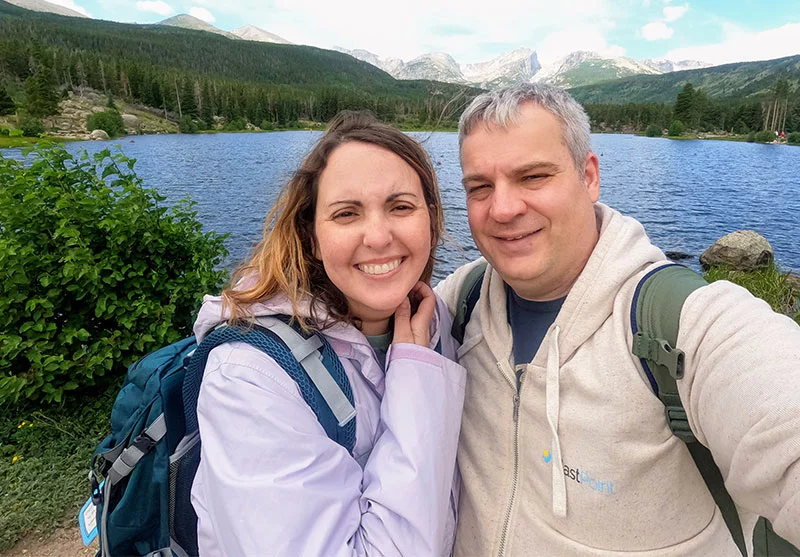
When Erica Cebzanov and her husband Tony were visiting Colorado last summer, she thought her flu-like symptoms were just the effects of altitude sickness.
Yet within 48 hours of feeling sick, she needed the first of two surgeries for a severe necrotizing soft tissue infection, commonly known as a flesh-eating bacterial infection. Doctors at UCHealth Medical Center of the Rockies in Loveland saved Erica’s limbs and her life.
“A year later, I am still not 100% yet, but I have healed phenomenally well,” said Erica from her home in Pittsburgh. “I realize how lucky I am that I survived and went to the hospital before I needed an amputation or had to have an organ removed.”
Necrotizing soft tissue infections are rare but can spread rapidly, destroying healthy tissue and leading to limb loss, sepsis and sometimes death. When doctors don’t treat a flesh-eating bacterial infection immediately, the disease can kill about 30% of patients who get it each year, said Dr. Christian Dennis, Erica’s surgeon at Medical Center of the Rockies.
Erica and her doctors credit multiple factors with helping her survive her ordeal with flesh-eating bacteria:
- Soon after Erica started feeling sick, she sought medical help at a UCHealth urgent care clinic in Estes Park. Providers immediately sent her for emergency care to UCHealth Estes Valley Medical Center.
- After medical providers in Estes Park stabilized Erica, ran multiple tests and gave her antibiotics, they knew she needed a higher level of care, and paramedics quickly transported her to Medical Center of the Rockies, a Level 1 Trauma Center, where specialists can handle the most challenging medical emergencies.
- Once Erica arrived at the hospital in Loveland, doctors performed surgery almost immediately to remove the damaged skin and stop the flesh-eating bacterial infection from spreading.
“Thankfully, our partners at Estes Valley Medical Center did what they could, and I reviewed the CT scan and lab work before she got here,” Dennis said.
“Once she arrived, I didn’t waste any time because the most important treatment factor is early and aggressive removal of the infected tissue. Because of the location of her infection, there was no natural barrier to keep the infection from spreading,” Dennis said.
At first, Erica and Tony didn’t understand how dangerous her infection was. But the doctors’ urgency in helping Erica soon made her dire situation clear.
“By the time we got to Medical Center of the Rockies, I was starting to recognize that this situation was scary,” Tony said. “Dr. Dennis was very clear about her needing an operation right away. It was very, very urgent.”
What had started as a summer vacation in a popular Colorado mountain town soon turned into a weeklong trial for both Erica and Tony.
“When I eventually made it back home to Pittsburgh, I cried,” Erica said. “It was so emotional when the plane landed. I didn’t think I would ever see my family again.”
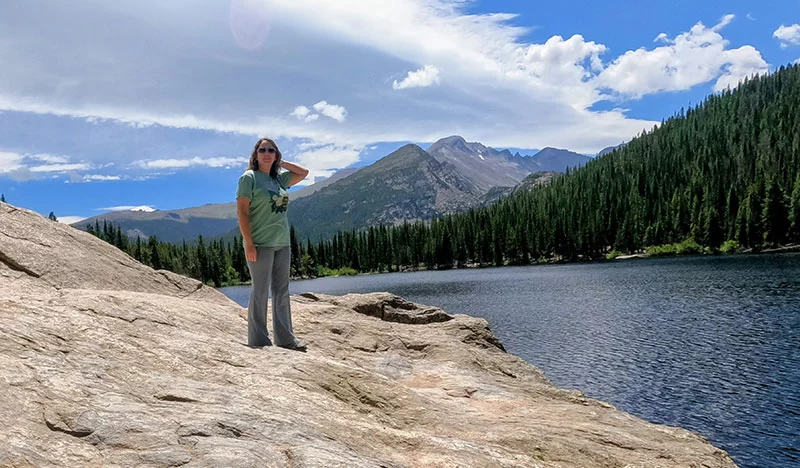
A Colorado trek takes a turn for the worse
Erica, 44, said she is lucky that she and Tony chose a vacation destination with “world-class medical care” close at hand.
“As someone with a complex medical history and several rare conditions, I have long struggled with medical providers not taking me seriously. Often, I wonder if I would have survived the necrotizing infection in my current city, even though Pittsburgh is known for its healthcare institutions.
What is a flesh-eating bacterial infection?
- Necrotizing soft tissue infection, often referred to as a flesh-eating bacterial infection or flesh-eating disease, is a rare but potentially fatal disease that can destroy healthy tissue within hours.
- Flesh-eating bacterial infections are rare but frightening. They affect about four out of every 1 million people each year.
- Doctors need to treat flesh-eating disease immediately, or it can result in severe tissue damage, limb loss, sepsis and organ failure, and in 30% of cases, the patient dies.
“I was not lucky to become so sick, but I was lucky it happened where it did because of the treatment I received at UCHealth,” Erica said.
A software engineer, Tony had a week-long work commitment in Denver last July, so Erica tagged along and explored the city on her own.
On Friday of that week, the couple headed up to Rocky Mountain National Park, where she first began to feel sick. A ride on the Georgetown Loop Railroad left Erica faint, dizzy and lightheaded, even as she stayed hydrated with water and beverages with electrolytes.
“I kept thinking I was going to collapse on the train, and I barely made it to our hotel in Estes Park. I felt as if someone had turned up the dial on my existing aches and pains.”
She rallied the next day for some hiking, but by that evening, she was so ill she was unable to leave the hotel for dinner. By Sunday morning, Erica had flu-like symptoms: chills, fever and fatigue.
Also worrying her was that over the past few days, she had developed a large, red two-inch lump on her left buttock. It was warm to the touch and had not responded to ice or her topical antibiotic ointments.
There was no broken skin, scrape or open wound near the lump, so she was puzzled by its origin.
“I thought to myself, ‘This is not normal,’ and by Sunday, it had gotten worse, along with the rest of my symptoms.”
That lump would turn out to be the beginning of a medical ordeal that Erica still is recovering from a year later.
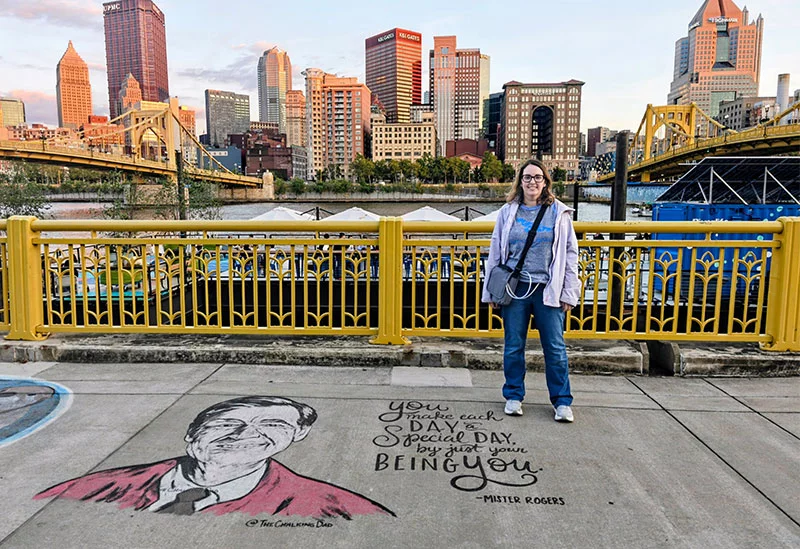
A complicated medical history helped Erica recognize signs of a serious infection
Erica has a long and complex medical history. She has endured decades of medical appointments, surgeries and pain dating back to when she was a teenager.
She was absent for 100 days during her senior year of high school, and she had her first two surgeries when she was 17 – the same number of surgeries she has racked up since then – in addition to her two Colorado operations. Most of her surgeries treated gastrointestinal issues and problems with her spine, hands, knees and jaw.
The source of much of her discomfort is a condition known as Ehlers-Danlos Syndrome, a genetic connective tissue disorder that causes hypermobile, fragile tissue and joints.
Erica also has dystonia, a neurological movement disorder, fibromyalgia, pseudogout (a form of arthritis), and a chronic inflammatory skin condition called hidradenitis suppurativa, which causes painful nodules and lumps deep in her skin.
Still, despite facing medical challenges on multiple fronts, Erica earned a bachelor’s and master’s degree in journalism and has devoted her career to communications and journalism.
While her medical challenges over the years have been difficult, Erica knew to pay close attention to her symptoms.
An earlier experience with a staph infection after a 2009 spinal fusion surgery taught her the warning signs of infection. Her wound was very warm, hard and immovable. She knew she needed help from medical pros.
When strange symptoms worsened, she sought care quickly
By Sunday morning, as her condition worsened, Erica decided to seek help at the walk-in clinic at UCHealth Urgent Care – Estes Park. The urgent care medical providers recognized that Erica would need more help and quickly sent her to Estes Valley Medical Center, which is about a five-minute drive. There, providers immediately gave Erica antibiotics and performed a CT scan of the lump.
The scan showed a combination of fluid and trapped air beneath the skin, suggesting a deep wound with a gas-forming bacterial infection.
“The ER doctor had a look on his face like he had seen a ghost,” Erica said. “I knew then that it was bad when they told me they were transferring me to Medical Center of the Rockies.”
Providers quickly loaded Erica into an ambulance, and paramedics sped her 30 miles down a canyon to the hospital in Loveland.
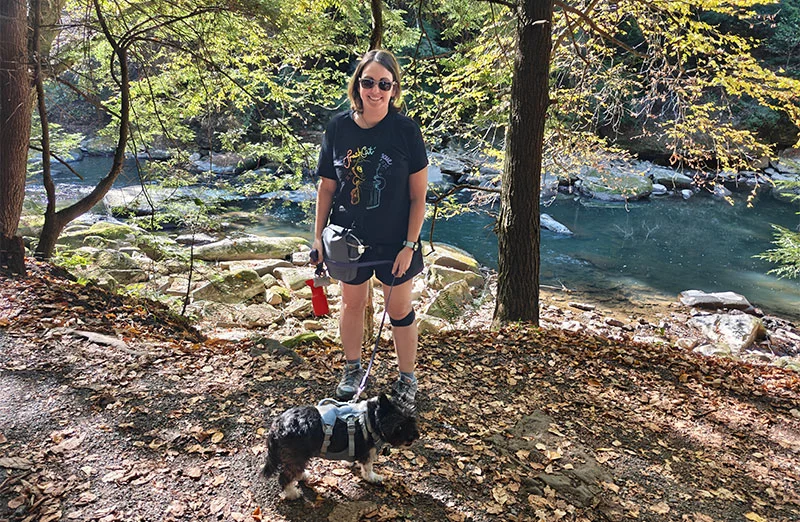
Her glimpse of the mountains that day was not exactly what she had planned.
“In the ambulance, I was still appreciating the view of the Rockies.” Erica said. “I remember seeing the trees and the scenery out the window while I was lying there and being transported to the hospital.”
Emergency surgery stops a fast-spreading flesh-eating infection
Once Erica arrived at Medical Center of the Rockies, the medical team jumped into action.
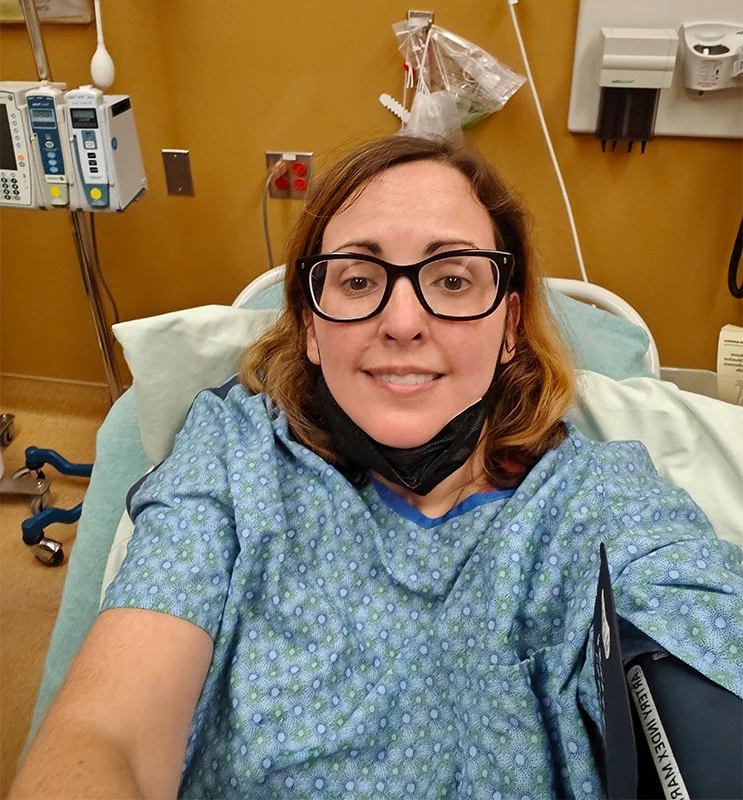
“I was pretty out of it,” Erica said. “Dr. Dennis explained I had a necrotizing soft tissue infection and that I had to have surgery immediately or I could die. I asked him about the fatality rate for the disease and he said, ‘This is why we need to get you into surgery now.’”
Dennis used a large incision to cut and remove the dead and infected tissue, creating a cavity that was about five inches long and three inches deep.
Erica had to stay in the hospital for six days and needed a second surgery along with extensive wound care and debridement, which is the removal of dead or damaged tissue and debris from the wound.
Her care team used a wound vac machine, a device that suctions extra fluid to reduce swelling, fight bacteria and promote gradual healing.
“I was nervous, but I knew this is what had to be done,’’ she said.
What is necrotizing soft tissue infection and why is it so dangerous?
A necrotizing infection is a deep skin disease that kills healthy tissue.
“It often gets into the fatty tissue under the skin and the covering of muscles, called the fascia, and causes clots in small blood vessels under skin that provide blood flow, which causes more tissue destruction,” Dennis said.
The fast-spreading disease can lead to muscle and limb loss, and the bacteria can enter the bloodstream, causing sepsis. Sepsis occurs when the body overreacts to an infection, harming healthy organs and tissues.
Necrotizing soft tissue infection is relatively rare, affecting four of every 1 million people each year, Dennis said. It tends to be more common in those who are immunocompromised, have vascular conditions with poor blood flow to their extremities or have chronic wounds. It is also more common in patients with diabetes and those who have alcohol or drug use disorders.
Erica has none of these conditions.
Most infections begin with a break in the skin that allows bacteria to penetrate the underlying tissue, where the body is not equipped to handle bacterial infections.
“The skin is the body’s largest and the most important organ, in that it shields us from bacteria,” Dennis said.
While Erica had no scratch or open wound near her infection site, Dennis said her chronic skin condition creates tunnels and tracks under her skin. He surmised that bacteria could have entered one of these openings and been the “portal of entry” for the disease.
While necrotizing soft tissue infection is frightening because it spreads quickly and aggressively, Dennis said people should be aware of these infections but not overly fearful.
That’s because necrotizing soft tissue infections are so rare.
“There are a lot of things to do for prevention but most importantly, pay attention to wounds and clean them when you’re in outdoor areas. Use common sense, and if you are at a higher risk for skin afflictions or have diabetes, see your doctor regularly to maintain healthy blood sugars and undergo routine podiatric exams, as many skin issues begin in the feet for diabetics,” Dennis said.
Painful recovery during her week-long hospital stay
Erica’s six days at Medical Center of the Rockies were painful, but she praised her care team and wound care nurses for doing all they could to ease her recovery.
“I didn’t realize that pain on this level existed. It was the worst of my life,” she said.
Erica needed IV antibiotics, along with pain medications.
The team had to repeatedly clean her wound, suction extra fluids and change her bandages both to prevent additional infections and to promote healing.
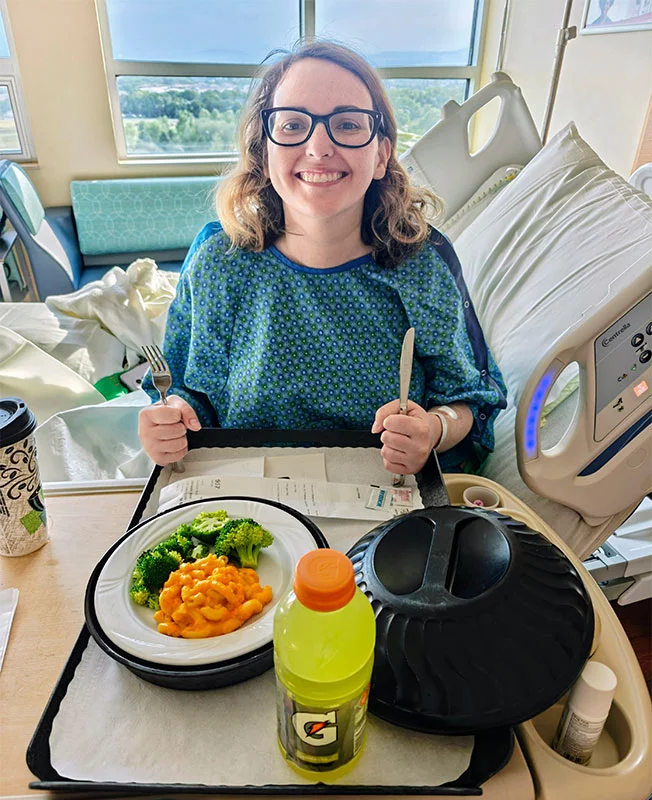
“The pain during wound dressing changes was excruciating. I kept telling myself that this was temporary and I that I would get through it,” Erica said.
Tony was by his wife’s side throughout the ordeal, boosting her spirits and keeping friends and family in Pittsburgh updated.
“At the time and in the moment, you have delayed mental processing. I was a little in shock. I was worried but I just wanted to be aware of what was going on and be there for Erica,” Tony said.
To endure her ordeal, Erica created a “survivor playlist” that motivated her prior to her painful wound care appointments. Gloria Gaynor’s “I Will Survive,” Elton John’s “I’m Still Standing,” Tom Petty’s “Won’t Back Down’’ and Survivor’s “Eye of the Tiger,” among other songs, reminded her of her resilience.
“Everyone was amazing. I have spent a lot of time in hospitals, but none have compared to this one. I had a huge window in my room where I could look at the mountains, and it made a huge difference on my mood. The staff were great – they helped me mentally not just physically. Every time I cried, they would hug me,” Erica said.
Traveling back to Pittsburgh, where Erica continued her recovery
Erica and Tony headed home after Erica’s grueling hospital stay. Though she considered staying longer, she missed her family and wanted their support for Tony too.
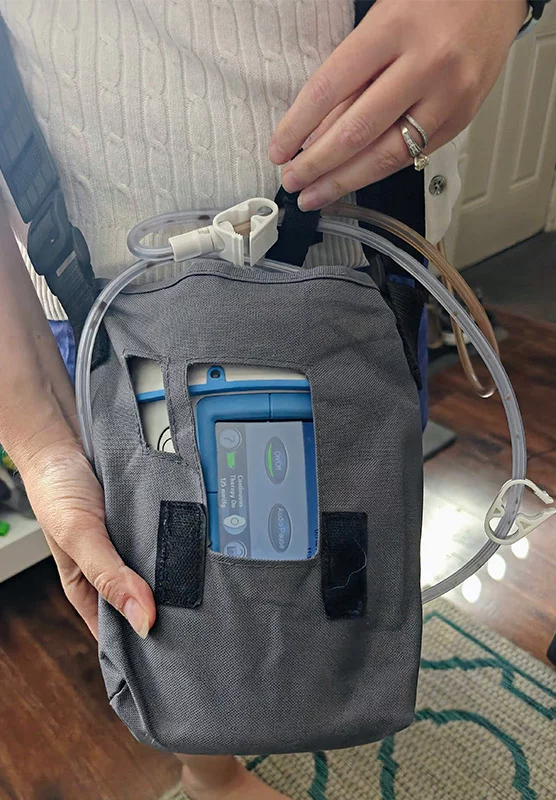
Navigating the many hassles of her journey home was a terrible ordeal. She had to manage a wheelchair, crutches, a wound vac machine and lots of anguish and anxiety during the various phases of the trip back to Pittsburgh.
That included the car ride to the airport, a rental car drop-off and shuttle ride, going through security, the train ride to her gate at Denver International Airport, and the three-and-a-half-hour plane ride itself. She had a special cushion to sit on and was praying that the seal on her wound would stay in place for the entire trip.
“It was a nightmare. I was absolutely miserable and in so much pain. But once we arrived, I was so happy to be home.”
Once back in Pittsburgh, Erica received care from a home health wound specialist for six months. They continued to debride her wounds. She also had chemical cauterizations and collagen treatments to promote healing. Tony stepped in and learned the intricacies of her health routine as well.
“Tony went above and beyond to care for me,” Erica said of Tony. The couple has been together for 21 years and married for 17 of those years. “I have had so many medical ups and downs and he has supported me so much.”
Tony said taking on home health duties has been a small sacrifice as he has seen his wife rebound and recover.
“There is no other option. You have health care professionals who do their job, and then you have the needs of the patient. Sometimes there are gaps; hopefully, the spouse is there to fill that gap,” Tony said.
Back home and supporting others who have endured necrotizing soft tissue infections and Ehlers-Danlos Syndrome
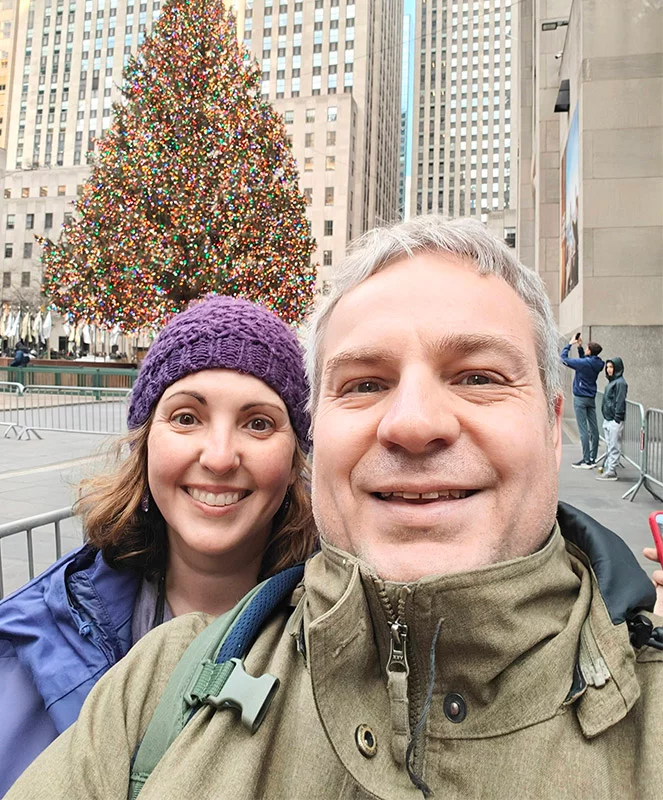
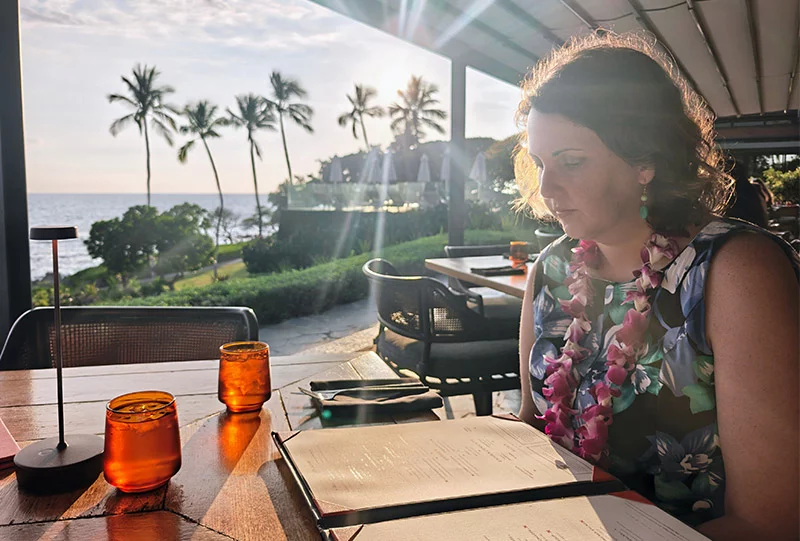
Getting back into the pool to exercise, into the lake to splash around and into the ocean on a trip to Hawaii were major milestones for Erica, who constantly worries about necrotizing soft tissue infection from the water. She uses topical creams, waterproof bandages and occasional oral antibiotics to prevent infections.
She received iron infusions for fatigue and completed physical therapy for post-infection lymphedema (a swelling caused by fluid buildup when the lymphatic system is damaged). She continues to experience nerve pain at her wound site and in her legs.
“I have had so many health challenges, but this was the most painful experience I have ever had, and the most involved in terms of recovery. I couldn’t go outside or exercise. It hurt to just sit or drive in the car,” Erica said.
Although her health currently prevents her from working, Erica volunteers for animal rescue groups and leads an in-person support group for people with Ehlers-Danlos Syndrome. She is a member of several support groups for survivors of necrotizing soft tissue infections and believes in the importance of taking care of one’s mental health in addition to physical ailments.
“My goal now is to tell everyone to take their health seriously and advocate for yourself. You know your body better than anybody. I have so much appreciation for being alive, and I try to take advantage of that every day because we don’t know how much time we have.”