
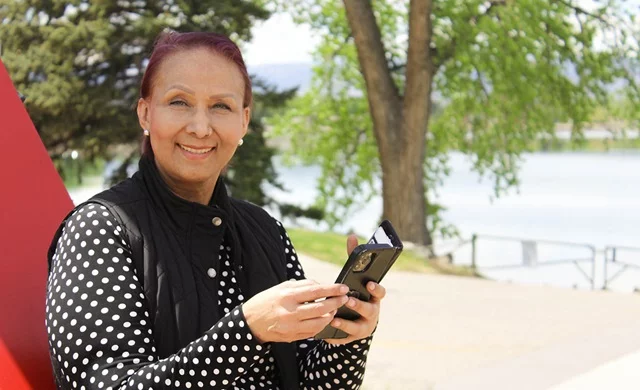
Claudia Rivas will tell you that maintaining strength, determination and resilience after a cancer diagnosis is its own kind of work.
Now 54, the retired schoolteacher living in Loveland, has adopted a new practice to nourish her mind, body and spirit. She uses an app on her phone to record her innermost thoughts, including the ups and downs of her battle with cancer.
A mother and grandmother, she treasures time with family. Writing down her thoughts has helped to ground her. She’s more attuned to the pleasure of birds chirping, the splendor of a morning cup of coffee and the rigors of basketball, a lifelong passion.
Claudia, who has also engaged in integrative therapies, is reminded to push forward during moments of deep physical and emotional exhaustion by NBA legend Michael Jordan, who once said:
I’ve missed more than 9,000 shots in my career. I’ve lost almost 300 games. Twenty-six times, I’ve been trusted to take the game-winning shot and missed. I’ve failed over and over and over again in my life. And that is why I succeed.
Claudia’s cancer journey began at age 44 with a diagnosis of breast cancer. She had a double mastectomy, underwent treatment for a year, then took pills for five more years. She believed cancer was behind her.
Then in 2023, she began to feel pain in one leg. What began as persistent discomfort led to a visit with an orthopedist. An X-ray was followed by an MRI, and the images showed that cancer had returned and metastasized to her hip, part of her liver, lung and lymph nodes.
“I began weekly chemotherapy, which has been the most difficult part for me,” said Claudia. “It was during this challenging process that I started writing about my oncological journey.”
Some of that writing happens when she’s in what feels like a personal basketball museum that she created. The space is filled with photographs of Michael Jordan and memories of her journey as an athlete. Her trophies, medals and photographs from her time as a basketball player are reminders of her desire to win.
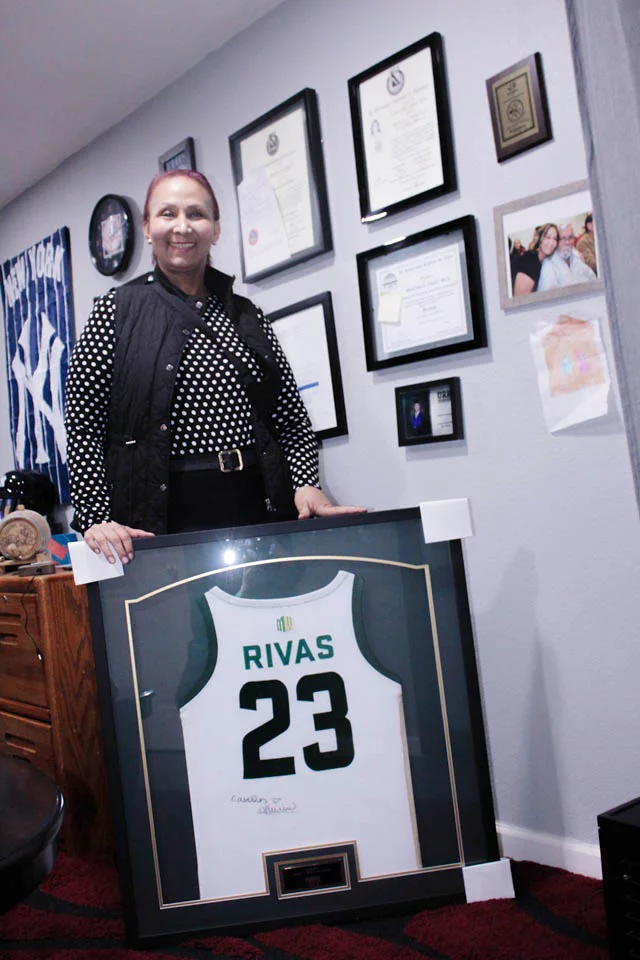
She was recently honored as a cancer warrior in UCHealth’s “Fight Like a Ram” initiative. The program partners Colorado State University women’s basketball athletes with UCHealth cancer patients, like Claudia.
The duality of being: Gathering strength during cancer treatments
Claudia’s greatest battle is physical, but also deeply internal — and requires a constant effort to steady her mind and emotions while remaining committed to treatment.
In a society that often ignores struggle, maintaining mental and emotional resilience has been essential to Claudia. Strength is not the absence of hardship, she knows, but the choice to keep going, despite it.
Writing has given her a place of refuge, a space where she can process fear, fatigue, and uncertainty.
“We cannot achieve anything if we don’t fail,” Claudia said, reflecting on her journey. “But many people see failure as the end, instead of as a learning experience.”
On hard days, when getting out of bed feels impossible — when even the simple acts of showering and dressing require immense effort — Claudia gathers her strength and prepares herself to go to treatments at the UCHealth Cancer Care and Hematology Clinic – Loveland, a place that serves as a refuge for her.
‘‘I´m deeply grateful for a medical center that supports me, treats me, a place I can call my safe space.’’
In her writing, Claudia explores ups and downs, the coexistence of strength and vulnerability — conflicting emotions.
Mental health tools to navigate difficult diagnoses
Journaling, according to UCHealth mental health experts Arnold Cantú, a psychotherapist at UCHealth Primary Care – Lake Street in Fort Collins, and Anna Sihon, a licensed clinical social worker at the Aspire UCHealth Primary Care Clinic, is a reliable tool to help patients navigate a health journey.
“A cancer diagnosis or any life-threatening situation forces you to see life in a way you might not have before,” Cantú said. “We tend to think we’re invincible, that death is something far off in the future.”
When confronted with that fragility, Claudia chose to face her condition with the best attitude she could.
“Sometimes we have to adapt to new circumstances,” Claudia said. “I no longer work because of my condition, and I miss it. But I also know that before, I didn’t enjoy many things because I didn’t have the time. Now I do. I wake up later, have my coffee and enjoy the birds singing. In these small, quiet moments, life reveals its beauty — moments that often go unnoticed until they become essential.’’
Cantú has heard many patients speak of enjoying what once went unnoticed.

“There are usually two sides to the same coin,” Cantú said. “For some people, dealing with a difficult diagnosis forces a confrontation with mortality, which can be terrifying — we all experienced that during the Covid-19 pandemic. But the other side is that people begin to appreciate life more.”
For Claudia, that shift in perspective has been profound. Time with her family —watching her children grow, sharing moments with her grandchildren — has taken on a deeper meaning.
Her eldest son, Kevin Corral, 33, serves in the Army and is currently on a mission in Mexico. Her youngest daughter, Kiara Delgado is 20, and in college. Claudia adores her two grandchildren and her daughter-in-law.
In one of her writings, Claudia reflects on how “chaos” can enter our lives as a catalyst for growth:
“We become so comfortable within the circles we inhabit. Then, when something disrupts that comfort, we feel fear and resist change. Stepping into the unknown can be deeply unsettling. But with the twists and turns of life, and whatever destiny — or God — has written for us, our lives can fall into chaos. In those moments, we can either remain in fear or choose to adapt and learn to live with what is new.’’
For Claudia, adversity is complex — often painful — but it is also a force that brings transformation.
“Gratitude should always live within us,” she said. “I will never say I am grateful for having cancer — I’m not. But I am grateful for what it has taught me to appreciate: My health, and how fragile and short life can be. Even in the midst of this, I have found the courage to truly enjoy each moment.”
Journaling: The art of preserving and processing experience
“Writing can bring clarity, perspective, and emotional relief,” Cantú said.
By translating thoughts and feelings into words, journaling helps people make sense of their inner experiences and better understand their emotions, he said.
“It can be a tool to see circumstances and situations through a different lens,” Cantú said. “It helps create a new perspective.”
A safe space to express emotions
When done properly, journaling can lead to personal growth, according to the National Alliance on Mental Health: ‘‘Life is a cycle of events, ideas, stir of information, surprises and frustrations. And without a proper way to release negative emotions, accumulated thoughts and feelings can lead to emotional turmoil. Journaling may not solve the problem, but it does free up mental space, help understand triggers and patterns.’’
Journaling can also be a tool for recording experiences and tracking information that can later be shared with a therapist or doctor, Sihon said.
‘’Journaling can be helpful in terms of the function for each person. Sometimes we need to express emotions we do not feel comfortable speaking aloud,’’ she said.
Journaling can also have different formats.
‘‘For some people, journaling is more creative. You could collage, you could draw, you could write poems, this is a space where you take what’s in your body and your brain, and put it on a page,’’ Sihon said.
“It’s like documenting your daily life,” she said.
“For example: What did I do today? What was my pain level? How anxious did I feel? Did I take my medications? How did I eat? Did I take care of myself?”
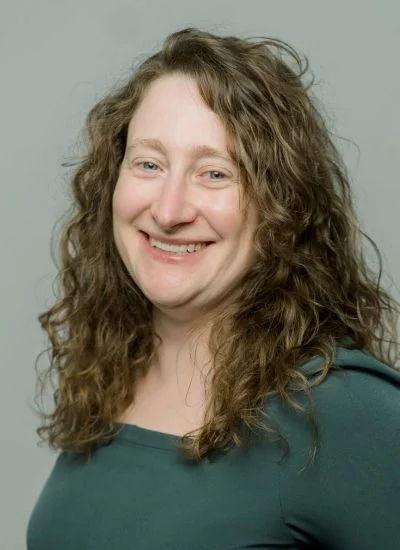
Sihon, who before joining UCHealth served as a Peace Corps volunteer in Latin America, said that experience shaped her perspective by exposing her to diverse communities facing complex challenges.
Documenting experiences and sharing them with medical providers can be a valuable tool for both patient care and self-awareness. The practice may also help with a deeper understanding of how daily routines and habits influence overall well-being, Sihon said.
“Changes in eating habits — whether someone is eating too little or too much — can be an important signal,” she said. “The same goes for sleep patterns, whether a person is not sleeping at all or sleeping excessively.” She emphasized the importance of observing and registering this daily functioning.
“If someone is no longer maintaining personal hygiene — showering, getting dressed, or taking care of their living space in the way they used to — that can indicate that something deeper is going on,” she said.
Sometimes — she added — the signs are more subtle.
“I can often sense where someone is emotionally based on how they present themselves,” Sihon said. “If a patient appears unkempt or there’s a noticeable change, I might gently ask questions like, ‘How have you been feeling? How is your sleep? How is your pain?’”
These conversations help determine whether the underlying issue is related to mental health, physical health, or a combination of both, she said.
A whole-person approach

Cantú and Sihon emphasize the importance of a whole-person approach — one that considers not only a person’s physical condition, but also their mental and emotional health, as well as the broader context in which they live.
“It’s important that we always keep in mind that there are context and circumstances behind any of our struggles,” Cantú said. “I try to think of the person as a whole — their support system, where they live, whether they have sufficient resources, and if they are financially stable.”
All these factors, he explained, play a critical role in overall well-being.
This perspective echoes the words of Spanish philosopher José Ortega y Gasset:
Yo soy yo y mi circunstancia, y si no la salvo a ella, no me salvo yo. (I am my circumstances, and if I do not save them, I cannot save myself.)
Making the most of every opportunity to live like there is a tomorrow
Claudia also turns to music as a way to recharge and stay positive.
In May of this year, she attended a concert by one of her favorite artists, Alejandro Fernández.
“I started to feel sick during the concert, but even then, I still enjoyed it,” Claudia said. “I always try to keep the best attitude, even on the hardest days.”
Her journey has included surgeries, radiation therapy, and chemotherapy — each bringing its own physical and emotional challenges. Sometimes, even going to have blood drawn every three weeks can make her feel like crying, something she’s documented in her journal.
Through it all, she is committed to making it to her appointments and determined to do everything she can to live the best life she can.
“When we face a difficult diagnosis, it’s normal to worry,” she said. “But I try to approach it with the best attitude I can and to keep going, even if I fail. What truly matters is what we learn through the process,” Claudia said.
The power of emotional and mental support
What other steps can help support emotional and mental well-being when facing a difficult health diagnosis?
In Cantú’s clinical experience, one of the most important steps is finding peace within oneself and with others.
“When we are faced with a cancer diagnosis or another life-threatening condition, we want to make sure we have as few regrets as possible,” Cantú said.
Part of that process often involves repairing and strengthening relationships with family and friends — an effort that can be healing.
The importance of support systems
Cancer may begin in the body, but its impact extends far beyond the physical. It touches every aspect of a person’s life — relationships, sense of identity, and emotional well-being.
This is why support systems, including cancer support groups and nurse navigators, play a crucial role. These tools offer guidance, understanding, and practical support throughout patients’ journeys.
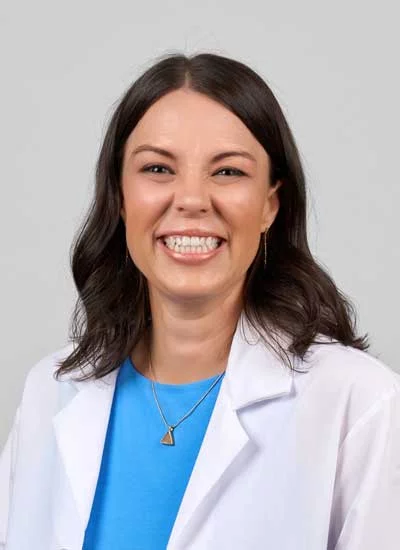
For Claudia, her nurse, Diane Elizabeth Reider — who works with patients at the UCHealth Cancer Care and Hematology Clinic – Harmony Campus in Fort Collins — has been a vital part of that support system, offering both clinical guidance and emotional care.
Claudia even shared a TikTok video of herself dancing with her nurse, celebrating one of the “good days” at the clinic — a moment of joy amid the challenges.
Reider is a medical oncology nurse practitioner who supports Dr. Chelsea Gawryletz, Claudia’s breast oncologist at Harmony Cancer Center in Fort Collins.
‘‘Caring for Claudia embodies the best aspects of my job — building close relationships with patients, finding joy in the midst of hardship, treating the entire person — not simply the disease,’’ Reider said.
She describes Claudia as a shining beacon of light.
‘‘Every time I see her, I leave the room smiling, laughing, often dancing. Her positive attitude is contagious despite the physical hardships she faces from metastatic breast cancer. She meets adversity head-on and is determined to live life to its fullest.’’
Patient-centered care, a commitment to putting patients first
The words “You have cancer,” are heard every 15 seconds by someone in the U.S., according to experts at the American Cancer Society. Cancer is a disruptive condition.
‘‘Cancer is a life-changing diagnosis that impacts every aspect of the individual. This is why patient-centered care is so critical in oncologic treatment,’’ Reider said.
Claudia has also participated in support programs for cancer patients, including oncology massage and acupuncture. These integrative therapies can help relieve stress and ease symptoms caused both by the disease and by the treatments required to fight it.
“We need this kind of support because the mental aspect is fundamental,” Claudia said, reflecting on the importance of integrative care.
Oncology massage uses modified techniques tailored specifically for individuals living with cancer or in recovery, while acupuncture can help address a range of treatment side effects.
‘‘Integrative medicine can play a crucial role in this. Finding ways to treat the entire person with a focus on mental health, spirituality, social support, lifestyle changes, as well as traditional cancer treatments, embodies our team’s approach to cancer care. Claudia is a great example of this,’’ Reider said.
Claudia’s journey is defined not only by resilience but also by her ability to find meaning in an uncertain time. She has learned to embrace change, to hold on to what matters, and to move forward with intention and hope.
“I have adapted to this new stage of my life. I try to see all the goodness that life offers me — which, I assure you, is a lot.”