
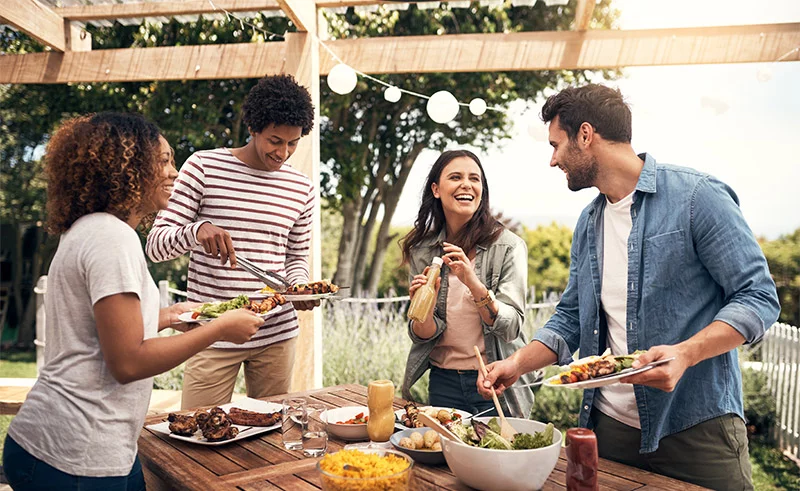
Culture shapes the way we live and think, and food is at the heart of cultural identity. Great meals reflect traditions, foster connection and bring families and communities together.
The foods we choose to eat also influence our health and well-being. Family traditions, flavor preferences and lifelong experiences shape our food choices. But with some simple adaptations, we can choose healthier options while still honoring our cultural traditions.
To help you create healthy and balanced meals, we spoke with two Colorado chefs about the significance of food in Hispanic culture and their recommendations for elevating flavors while also cooking healthy dishes.
Gemma Aguayo-Murphy is the creator of Everyday Latina, where she shares Mexican and Latin American recipes with a healthy twist.
Aarika Ortiz, a Denver-based chef with more than a decade of experience, specializes in multicultural cuisine and teaches international cooking classes.
For many Hispanic families, food is a blend of American traditions and a rich cultural heritage with roots in Mexico, Latin American, Spain and beyond.
Seven healthy tips to elevate flavors while also improving your health
- Add more vegetables to your traditional recipes.
- Choose natural sweeteners.
- When you have time, cook your own meals at home rather than eating in restaurants.
- Try enjoying smaller portions of rich foods.
- Use natural ingredients.
- Choose cooking methods that minimize added fat.
- When cooking with oils, opt for healthier options.
Try blending new and old traditions and foods
Regardless of the origin of the recipes you like making, pay attention to the ingredients and cooking methods you choose. Try adapting your favorite recipes to make them as healthy as possible.
“In general, Hispanic families often add their own cultural touches and traditional flavors from their countries of origin,” Aguayo-Murphy said.
Cultural heritage and flavors
Traditions are as diverse as people in the U.S. Hispanics in the U.S. trace their roots to at least 20 different countries, each with its own unique culinary traditions.
Like everything in life — and cooking is no exception — the art is in the details. Let’s dive into the recommendations from our culinary experts.
Healthy cooking recommendation No. 1: Add more vegetables to your traditional recipes.
Both culinary experts encourage people to include a variety of vegetables in their meals.
Vegetables add nutrients and bring vibrant colors to your table, making recipes both nutritious and visually appealing.
Emphasizing vegetables in your meals doesn’t mean you have to give up the dishes you love, Aguayo-Murphy said.
“It’s more about small, thoughtful swaps,” she said.
“For example, use fresh or roasted vegetables as sides, or add a salad with a homemade dressing to balance out rich foods,” Aguayo-Murphy said.
Many vegetarian dishes are rich in dietary fiber. They can also be filling, which can help people scale back their portions of less healthy holiday dishes, like meat dishes and desserts.
“It is a great way to pack the vegetables without feeling deprived or any less decadent,” Ortiz said.
(Learn how to prepare Mini Mexican stuffed peppers, a healthy appetizer you can enjoy during gatherings.)
Return to the list of seven healthy tips >
Healthy cooking recommendation No. 2: Choose natural sweeteners over refined sugar.
To sweeten foods and drinks, Aguayo-Murphy prefers natural sweeteners over refined sugar.
“I opt for piloncillo, honey, coconut sugar and pure maple syrup. These small changes keep the flavors authentic but make a big difference in how you feel after the meal,” she said.
Piloncillo is a popular ingredient in Mexico and throughout Latin America. It is made from pure sugarcane juice and is known by different names across Latin America. In some Central American countries, it’s called Dulce de rapadura, while in other countries in the region, it is known as panela or chancaca.
As for desserts, Aguayo-Murphy encourages people to serve fruit.
“Fruit-based options are naturally sweet,” she said.
“Flavor does not have to come from a lot of salt or sugar. I recommend using fresh or dried herbs, garlic, citrus and spices. These are staples in my cooking and bring dishes to life without relying on added sodium or sweeteners.”
“You can also reduce sugar gradually or use natural sweeteners that don’t spike blood sugar as much, such as coconut sugar, raw honey, or pure maple syrup.”
(Try this recipe for mixed berries and cream.)
Return to the list of seven healthy tips >
Healthy cooking recommendation No. 3: Practice portion control by choosing smaller-sized meals and desserts.
A healthy diet is essential to reduce the risk of heart disease and stroke, support healthy weight and manage diabetes and hypertension.
If you have loved ones with special dietary needs — such as diabetes or high blood pressure — one of the best ways to show love is to help them eat smaller portions.
Measuring portions can significantly help people manage their blood sugar levels.
Ortiz suggests making small desserts — like mini fruit tarts — so people can enjoy a nibble of something sweet without going overboard.
“When cooking for people with diabetes, it is all about monitoring the sugar levels,” she said.
Another great strategy to maintain low blood sugar levels is to use whole-grain flour and oats to add fiber.
(Learn how to prepare Ortiz’s gluten-free buckwheat crepes).
Breads are a beloved staple at Hispanic tables, but they contain both sugar and carbohydrates.
“Use low-carb breads that are full of ancient grains (which also come in thinner slices) or skip the carbs altogether, and use lettuce as wraps, sandwiches and a vessel to your dish,” Ortiz said.
Return to the list of seven healthy tips >
Healthy cooking recommendation No. 4: Use natural ingredients. Avoid artificial flavors and colors.
Ortiz recommended avoiding artificial flavorings when preparing your dishes, which are chemically based, lab-created, and synthetic.
“Incorporate flavors as naturally as possible,” she said.
Ortiz recommended making your own spice blends or adding extracts to add a ton of flavor while avoiding the calories.
To add flavor, Aguayo-Murphy recommends using aromatic ingredients such as onion and garlic, along with herbs and spices.
“I love using fresh herbs, but I always keep dried ones in hand for convenience, which still gives dishes great depth,” she said.
(Learn how to prepare cucumber mango pico de gallo)
Return to the list of seven healthy tips >
Healthy cooking recommendation No. 5: Cook with healthier oils.
Healthier eating and cooking choices are directly linked to overall health, and the choices we make about what we eat and how we prepare our food play a significant role.
When preparing your favorite recipes, the experts recommend using healthier oils.
“Healthy oils such as avocado (for high-heat cooking) or pure olive oil are great to cook with,” Ortiz said.
Making dressings from fresh ingredients is a simple way to enhance both flavor and nutritional value.
“To kick up sauteed veggies (such as sauteed broccoli or green beans), add a splash of walnut oil. It’s also wonderful in salad dressings, has antioxidants and omega-3 fatty acids, which are great to lower inflammation and the risk of heart disease,” Ortiz said. (Learn about seed oils)
While cooking with healthy oils is wise, excessive fat can lead to harmful inflammation.
“I like to use oils and fats that are nourishing and not inflammatory,” Aguayo-Murphy said.
“Olive oil and avocado oil are staples in my kitchen, and I also cook with high-quality beef tallow and clarified butter, also known as ghee. They’re stable at high heat and provide beneficial nutrients like vitamins A, D, and K,” she said.
Return to the list of seven healthy tips >
Healthy cooking recommendation No. 6: Cook your own meals at home.
Smart eating begins with paying attention to ingredients and opting for healthier food preparation methods.
One great way to make healthier food choices is to buy fewer processed foods and cook more meals at home.
“I believe tradition and health can go hand in hand. One of the best ways to enhance healthier eating is by cooking from scratch whenever possible,” Aguayo-Murphy said.
“I like to make dressings, salsas, sauces, and gravies from scratch because store-bought versions often contain additives and less wholesome ingredients. Making them at home lets me control what goes into our food,” she said.
A legacy of health-centered traditions passed down from generation to generation
Culture shapes the way we eat, and families can teach one another how to make nutritious choices.
“When families, especially kids, see how a dish comes together, they begin to understand where food comes from and appreciate the ingredients that go into it. Making traditional recipes at home not only gives you control over the quality of ingredients but also keeps cultural traditions alive in a more mindful way.”
Aguayo-Murphy recommended involving kids in preparing family recipes with healthier ingredients.
“It’s a great way to connect them to their heritage while showing that nourishing, homemade food can still carry the same flavors and memories we grew up with,” she said.
Adapting traditional recipes can be the key to healthier eating habits, and a do-it-yourself approach allows you to take control of the ingredients and preparation.
“I opt for choosing to make zoodles (zucchini noodles) instead of using traditional pasta in Italian dishes,” Ortiz said.
“Cooking your own food gives you a sense of control and pride,” she said.
Return to the list of seven healthy tips >
Healthy cooking recommendation No. 7: Select cooking techniques that minimize the use of added fats.
We can all use a little extra help in the kitchen, and there are cooking methods that can be wonderful allies.
Aguayo-Murphy advised people to avoid frying food whenever possible and to opt for alternative cooking methods instead.
Oven-roasted and grilled preparations are among the healthiest recommended cooking methods.
“Cooking methods like roasting or slow cooking help bring out natural sweetness and tenderness without needing extra oils or salt,” she said.
Planning helps a great deal. Cooking main dishes and side dishes in the oven or slow cooker can free up time.
“Using the oven or roasting allows you to free up your hands and move on to cooking other dishes, while also being a healthier method of cooking. Luckily, most of the traditional dishes tend to reflect this method as well,” Ortiz said.
“I recommend avoiding fried foods and sticking to roasting or grilling, and for desserts, using baking whenever possible,” she said.
So, with these recommendations, clear your kitchen counter, gather your cooking allies such as healthy ingredients, tools, and appliances, and fill your recipes with the main ingredients: love, dedication and health.
Return to the list of seven healthy tips >
You may reach Gemma Aguayo-Murphy at [email protected] and on Instagram.
Chef Aarika Ortiz offers in-home personal chef services and cooking classes. This season, she is offering tamale-making classes. You can visit her website here, and on Instagram.