
A parasite called cyclospora is causing thousands of cases of explosive diarrhea across the U.S. this summer.
And while it’s horrible to be sick with cyclosporiasis — as the illness from cyclospora is called — medical experts say it’s typical for foodborne illnesses to increase during the summer months. That’s because many outbreaks of foodborne illnesses come contaminated produce.
In the case of the cyclospora parasite, federal health officials suspect that contaminated iceberg lettuce might be the source of the illnesses, but investigators are still exploring causes. And federal investigators have linked past outbreaks of foodborne illnesses to other types of produce, including spinach, onions and cantaloupe.
Most people have never heard of cyclospora. And while the number of cyclosporiasis cases is setting records in some parts of the U.S. this year — especially in Michigan, Ohio and New York — other states including Colorado are seeing a typical number of cyclospora cases: just a couple hundred so far.
Why are foodborne illnesses like cyclosporiasis more common in the summer?
Infectious disease experts say foodborne illnesses are as common in the summer months as respiratory illnesses — like flu and COVID-19 — are in the winter.
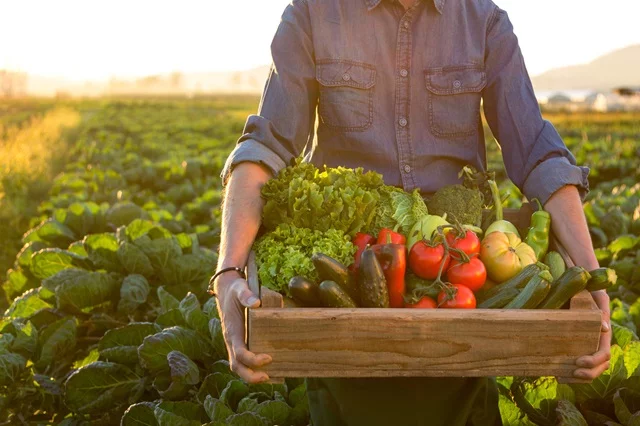
That’s because people tend to eat fresh produce that comes from outdoor sources where pathogens like cyclospora can contaminate fruits and vegetables. People also tend to eat raw produce rather than cooking it. That means it’s vital to wash fruits and vegetables to avoid pathogens that can make us sick.
To help you make sense of the news about cyclospora and other foodborne illnesses, we spoke with Lauren Bryan, infection program manager at UCHealth Yampa Valley Medical Center.
What is cyclospora?
Cyclospora is a parasite that most people haven’t heard of because it’s not one of the most common foodborne illnesses that sickens people in the U.S.
What are foodborne illnesses?
Foodborne illnesses occur when harmful bacteria, viruses or parasites contaminate food or water through fecal-oral transmission. The sickness that then occurs is often referred to as food poisoning, the stomach flu, a stomach bug or a 24-hour gastrointestinal bug.
In the case of cyclospora, the illness is caused by a parasite that can contaminate fresh produce or water through human fecal waste. Outbreaks often are linked to fruits and vegetables because contamination can happen at several points in the growing and distribution process.
How worried should I be about cyclosporiasis?
Bryan said people in Colorado don’t need to worry too much yet about cyclosporiasis because the case numbers are not unusually high this summer in the Rocky Mountain region. She and other medical experts encourage people to keep eating fresh produce because it’s nutritious and healthy. But it’s always wise to carefully wash your produce and to adopt safe food-handling practices so you don’t get sick from any foodborne illnesses.
“How much you worry about cyclospora depends on where you live,” Bryan said. “Some states are having large cyclosporiasis outbreaks this year, but when you look at the data, you need to keep in mind that these are raw numbers. We’re not receiving case numbers per 100,000 people. So, when you hear about thousands of cases, that sounds like a lot, but it may not be a high percentage of people in populated areas.
“In Colorado, we’re seeing the normal seasonal averages for cyclosporiasis,” Bryan said.
Colorado health officials have detected the following cyclosporiasis illnesses in 2026 (as of July 26):
- 219 people have tested positive for the parasite in Colorado.
- 4 people with cyclosporiasis needed to be hospitalized.
- 79 of the 219 people have become sick since July 1. Some of them traveled to states where outbreaks are occurring.
- About 79% of people who have confirmed cases of cyclosporiasis in Colorado likely were exposed to the parasite during international travel.
“There are other organisms that are far more likely to cause diarrheal illnesses associated with contaminated food. We are seeing salmonella, cryptosporidium, E-coli and all of the normal bacterial and parasitic diseases, but they’re not drawing as much attention as news about cyclosporiasis and explosive, watery diarrhea,” Bryan said.
When it comes to very unpleasant stomach bugs, norovirus causes terrible diarrhea, and it’s much more common and contagious than cyclospora, Bryan said. Many people think of norovirus as the cruise or school illness because children and adults pass the virus so easily to one another in crowded settings like cruises and schools.
“Norovirus is responsible for the vast majority of diarrheal illnesses,” Bryan said.
Is cyclosporiasis contagious?
Cyclosporiasis spreads when people inadvertently eat infected produce. State and federal health investigators are trying to determine whether iceberg lettuce may be to blame for the current outbreaks around the U.S. Federal investigators have tied lettuce from Taylor Farms in Mexico that was served at U.S. Taco Bell locations to cyclosporiasis outbreaks in nine states so far. They include: Michigan, Ohio, West Virginia, Kentucky, Illinois, Kansas, Oklahoma, and Pennsylvania.
The parasite spreads through “fecal-oral” transmission, meaning that people who are getting sick have eaten food — like lettuce — that was contaminated with feces or poop. If infected animals defecate near crops, or farmers inadvertently irrigate produce with contaminated water, cyclospora parasites can attach to plants that humans later eat.
If a person has explosive diarrhea due to cyclosporiasis and doesn’t wash their hands well and prepares food for other people, it’s possible for a person with cyclosporiasis to infect other people.
Bryan advises people to wash their hands well with soap and water. And she’s always careful not to touch potentially contaminated surfaces after she has washed her hands. She recommends using a paper towel or your elbows to turn off a sink knob or to open the bathroom door after you’ve washed your hands.
“I’m not going to touch the dirty door knob right after washing my hands,” she said. “That’s how these cross-contaminations happen.”
How long does it take to get sick with cyclosporiasis after you get exposed?
It can take one to two weeks to get sick after exposure to the parasite, cyclospora. This relatively long period of time between exposure and illness can make it hard to track outbreaks.
How can you avoid getting cyclosporiasis?
The best way to stay healthy is to wash your hands frequently and to wash your produce thoroughly.
“Wash your fruits and vegetables,” Bryan said. “That’s the No. 1 thing that you should be doing to prevent all foodborne illnesses.”
If I suspect that I have cyclosporiasis, will I need medication?
Yes, If you suspect you have cyclosporiasis, you will want to see a medical provider so you can get tested. And you likely will need medication. Some other foodborne illnesses resolve on their own within days, but cyclosporiasis requires treatment and medication.
What’s the best way to wash fruits and vegetables?
The key to properly washing fruits and vegetables is to be thorough, Bryan said. The temperature of the water doesn’t matter, and you don’t need to buy any special sprays or disinfecting solutions. You just need to wash produce very well. Bryan recommends using a salad spinner for vegetables.
“We don’t know if the cyclosporiasis cases are being caused by contaminated lettuce. But whether you’re talking about lettuce or spinach or cantaloupes — since we’ve had horrible listeria outbreaks associated with cantaloupe — you need to wash everything well.
“I don’t use any of those spritzers,” Bryan said. “Friction is what’s important. You want to do multiple rinses with friction. You need to get those microorganisms off of your fruits and vegetables before you slice, chop or shred them.”
So, with a cantaloupe, for example, you’ll want to scrub the outside of the fruit very well.
What’s the best timing for washing produce?
Bryan advises people not to bother washing fruits and vegetables when you return home from the grocery store or a farmers market. Instead, wash your produce right before you want to eat it.
“Some people make the mistake of washing produce when they get home, then putting it in the refrigerator. But you’re just rinsing it off. You’re not sterilizing it. So, if you’re not going to eat your fruits and vegetables for three or four days, some bacteria could be left on it, and it could grow before you eat it. That’s called rebound growth,” Bryan said. “You could end up with just as many organisms on the produce three days later as you did when you brought it home from the grocery store. So, just wash it before you consume it.”
That includes “pre-washed” packaged produce.
“I don’t care how many times the package says it’s been washed. You must still wash it. It’s been sitting for days or weeks in the bag, likely reproducing bacteria,” Bryan said.
Are cuts to federal health agencies affecting food safety in the U.S.?
Bryan said the number of federal employees has dropped significantly, but she’s confident that state health authorities are doing a good job of monitoring food safety and outbreaks of illnesses like cyclosporiasis.
“It may be more challenging to dig through data right now. But public health officials continue to do an excellent job of investigating outbreaks,” she said. “And much of this work is being done regionally and in the states.”
Food distributors and restaurant chains also are required to report suspected contaminants.
Is giardia a more common parasite in Colorado?
Yes. Bryan said people who spend time tubing, rafting and backpacking can become exposed to other parasites, including giardia and cryptosporidiosis.
“Living in a mountain town, with a river running through it, every summer we see multiple cases of giardia and ‘crytpo,’ as we call it (cryptosporidiosis). We haven’t seen a single cyclospora case in our region yet,” Bryan said.