
Known colloquially as lockjaw, tetanus is caused by toxin produced by the Clostridium Tetani bacteria found in soil and excrement. C. Tetani spores enter the body through breaks in the skin — typically puncture wounds and serious wounds. The spores germinate into bacteria that bring painful muscle contractions, often starting with the jaw.
Untreated, tetanus is nearly 100% fatal. In countries with low tetanus vaccination rates, the disease killed nearly 20,000 people in 2023, with children under 5 and, particularly, newborns from insufficiently vaccinated mothers, the most threatened. (Before widespread tetanus vaccination in the developing world, about 787,000 newborns died of tetanus in 1988 alone.)
A childhood vaccination series and treatments with tetanus immunoglobulin, tetanus toxoid, and antibiotics have reduced U.S. tetanus case counts to 38 nationally and a single case in Colorado in 2025, with an average of about 13% of those cases being fatal.
Most U.S. cases involve people who never were vaccinated, were partially vaccinated (the full infant-through-childhood vaccination series involves five shots from ages 2 months to 12 years) or those who had lapsed on their boosters, which the U.S. Centers for Disease Control and Prevention recommends getting every 10 years.
Tetanus boosters protect from more than just tetanus
To be clear, the risk of a U.S. resident falling ill with tetanus isn’t too far from that of being killed by a lightning bolt. Further, recent research suggests that adults who have completed the childhood vaccination series “may no longer be needed to maintain protective immunity in the general population,” as the authors put it, which would align U.S. guidelines with those of the World Health Organization and save about $1 billion a year in health care costs.
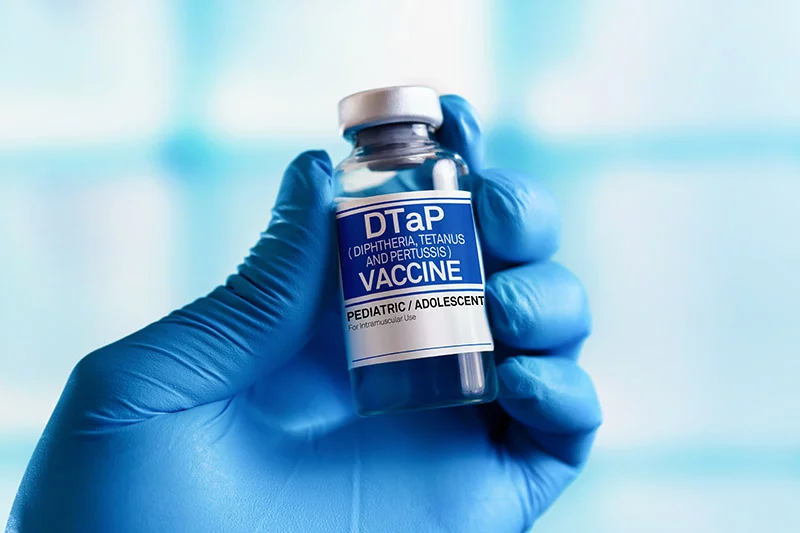
But Dr. Michelle Barron, UCHealth’s senior medical director of infection prevention and control, agrees with the CDC’s advice to revaccinate adults whose tetanus boosters have lapsed. In part, that’s because tetanus vaccinations and boosters also include protection from diphtheria and pertussis (whooping cough).

Tetanus may be rare here, and diphtheria even more so. Whooping cough, though, is on the rise in the United States. It’s a highly contagious bacterial disease that can bring weeks of violent coughing fits. Last year, there were 28,783 cases nationally and 1,141 in Colorado — the most since 2014.
‘Old-world diseases’ are a growing threat
Barron, also a professor in the Division of Infectious Diseases at the University of Colorado Anschutz School of Medicine. She points to rising cases of measles as another example of a worrying resurgence of “‘old-world diseases’ — ones we haven’t had to think about” thanks to decades of comprehensive vaccination in this country.
There were 2,283 documented U.S. measles cases in 2025. This year’s count had already reached 1,281 as of early March. Colorado saw 35 cases last year and eight so far in 2026. For perspective, the state recorded six measles cases in total from 2014 through 2024.
“While tetanus/diphtheria may or may not need to be boosted in adults, the decline in childhood vaccination and the siege on funding for public health will impact the rates of these vaccine-preventable diseases and will have many second- and third-order effects that have not been fully realized,” Barron said in an email. “Just looking at the increasing rates of pertussis and the current measles outbreak should give everyone pause about what the future holds.”