
Addressing abnormalities of the lung
Lung nodules – small growths in the lung – are quite common. Many nodules are benign (non-cancerous); however, some need to be treated.
The team at the UCHealth Lung Nodule Clinic – Littleton includes a range of specialists, from pulmonologists to thoracic surgeons, who will work together to quickly determine how serious your condition is and whether treatment and what sort of follow-up might be necessary.
You can rest assured that the Lung Nodule Clinic exceeds the national benchmarks for diagnosing and treating newly found lung nodules.
What is a pulmonary nodule?
A pulmonary nodule is a small spot on the lung less than 3 centimeters in diameter. Often nodules do not cause pain, or present any signs or symptoms. Most patients, in fact, are surprised to learn they have a pulmonary nodule – physicians find almost 90% of them while conducting chest x-rays or CT scans for other ailments.
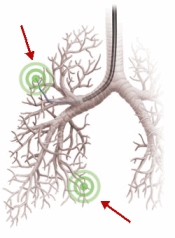
Most pulmonary nodules are benign. They are often the result of an infection, or scar tissue build-up from a previous infection. But because they can be cancerous, they are worrisome for patients. Doctors may recommend a “watchful waiting period” to see if the nodule grows or changes shape or they may recommend a diagnostic approach to determine if the nodule is cancerous.
Because early detection is critical to successfully treating cancer, our clinic uses the most advanced diagnostic technology, enabling faster, safer and more accurate diagnoses.
Lung cancer risk factors
For patients who are considered at-risk based on their tobacco use, screening reduces lung cancer mortality by 20 percent, according to the National Lung Screening Trial.
You should consider lung cancer screening, if:
- You are 50 to 80 years old.
- You have a smoking history of at least 20 pack-years (one pack per day for 20 years, two packs a day for 10 years, etc.).
How lung cancer screening works
Now you can be screened for lung cancer through UCHealth. Knowing your status means you can take steps to treat or beat lung cancer, or have peace of mind knowing that you’re cancer-free.
Some frequently asked questions:
What is a screening? Screening is looking for a disease before a person shows any symptoms.
Why isn’t everyone screened? There are benefits but also risks to lung cancer screening. The specialists at UCHealth can review these risks and assist you in your decision to get screened, if you meet the criteria.
Is there a cost for screening? Most insurance carriers will approve a screening exam. UCHealth will preauthorize the exam with your insurance carrier, so you’ll know in advance whether you will have a fee.
How is a lung cancer screening performed? A low-dose chest CT scan gives a detailed picture of the lungs. This test does not require any prior preparation. You will lie on a table with your arms above your head, and the table will slide into the CT scanner.
Cancer care support
Our patients can also receive extensive support during their cancer treatment journey from nurse navigators, social workers, financial counselors, and many others.
- Cancer care social work
- Nurse navigator program