
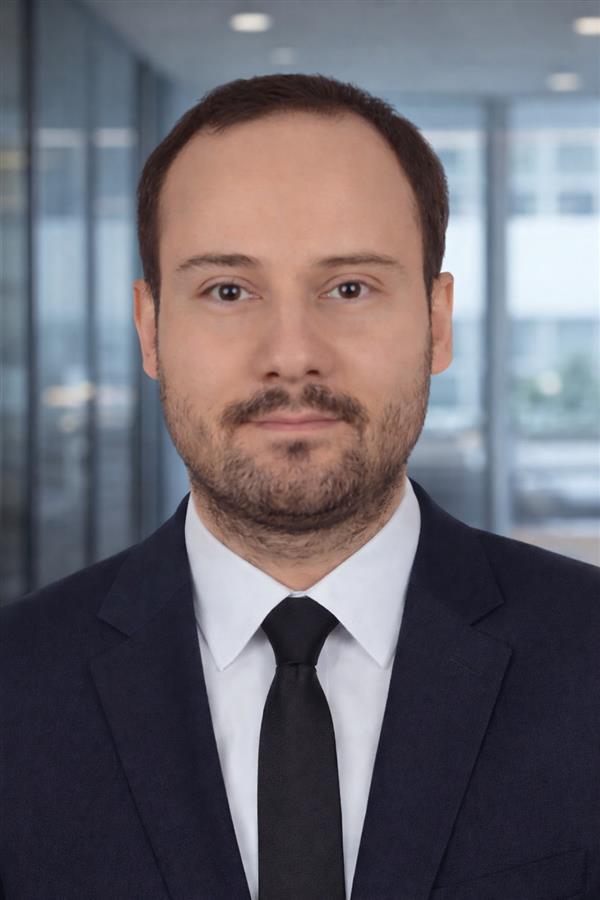
A CU Medicine provider.
I practice evidence-based, precise, and clinically integrated neuroradiology. My priority is to deliver clear, actionable interpretations that directly impact patient management. I emphasize diagnostic accuracy, advanced imaging techniques, and close communication with referring providers to ensure timely and optimal care. Every study is approached with the mindset that it represents a real clinical decision point, not just an image set.
Outside of clinical and academic work, I value a disciplined and balanced lifestyle. I am interested in health optimization, nutrition, and physical fitness, with a focus on sustainable habits. I enjoy reading and continuous learning, particularly in science, medicine, and personal development. I also value time spent with family and meaningful social connections. Travel, cultural exploration, and nature-based activities are important to me, as they provide perspective and mental clarity.
Locations
 720.848.0000
Qualifications and experience
- Specialties
- Radiology
- Gender
- Male
- Languages spoken
-
English
Turkish
- Education
-
Fellowship
University of Washington Program (2022)
Fellowship
University of Washington Program (2025)
Fellowship
University of Washington Program (2024)
Fellowship
University of Washington Program (2023)
- Clinical interest for patients
-
• Advanced MRI techniques: diffusion, perfusion, spectroscopy, vessel wall imaging
• Neurodegenerative disease imaging (Alzheimer’s disease, MCI, Parkinsonian syndromes)
• Cerebrovascular disorders: ischemia, vasculitis, RCVS, aneurysms, and dissection
• Neuro-oncology: primary and metastatic tumors, treatment response assessment
• Head and neck neuroradiology
• Molecular and functional imaging integration with MRI
• Imaging biomarkers for diagnosis, prognosis, and therapy monitoring - Research interest for patients
-
• Imaging biomarkers for neurodegenerative diseases, with emphasis on Alzheimer’s disease, mild cognitive impairment, and related dementias
• Amyloid PET, FDG PET brain imaging, and their integration with structural and quantitative MRI
• Quantitative imaging, automated analysis, and AI-assisted decision support systems
• Advanced MRI techniques including vessel wall imaging, perfusion, diffusion, and volumetric analysis
• Cerebrovascular imaging research, particularly intracranial vasculopathies and inflammatory arteriopathies
• Correlation of imaging findings with clinical outcomes, cognitive performance, and disease progression
• Development of standardized, reproducible imaging protocols to improve diagnostic accuracy and research reproducibility - Insurance
- UCHealth strongly encourages you to consult with your health insurer to determine accurate information about your coverage and benefits for a particular health care service provided at a UCHealth facility. Read more here.